![Paris, France — Paris in 48 Hours Without the Crowds: 2026 Quiet Itinerary [Dawn Walks & Empty Museums]](https://images.unsplash.com/photo-1499856871958-5b9627545d1a?w=1600&q=80&auto=format&fit=crop&fm=webp)
Paris in 48 Hours Without the Crowds: 2026 Quiet Itinerary [Dawn Walks & Empty Museums]
Paris in 48 hours without the crowds 2026 — dawn at the Eiffel Tower, empty museums, the canal at golden hour and the quietest walk of all.
Key takeaways
- The quiet itinerary inverts the classic schedule: dawn and dusk are the two golden hours, and everything is walkable in between
- The Eiffel Tower and Montmartre have calm windows at opening time — the queues start two hours later
- The best 48 hours fit the highlights into the morning and fill the afternoons with quiet walks and empty museums
- The Canal Saint-Martin, the Buttes-Chaumont and the low quays are crowd-free all day
- A realistic plan beats a long list: 6-8 highlights and 2-3 quiet walks make the perfect 48 hours
Paris in 48 hours without the crowds is not a trick — it is a schedule. The city has clear calm windows: the first hour after the monuments open, the evenings, and the neighbourhoods that the crowds never reach. This itinerary does the highlights at dawn, the museums at opening, and the walks when everyone else is queuing. The result is the same Paris, minus the queues, the noise and the frustration.
The Two Golden Hours
The entire quiet itinerary rests on two windows:
- Dawn — the Eiffel Tower, Montmartre and the Tuileries are nearly empty between first light and 9:00.
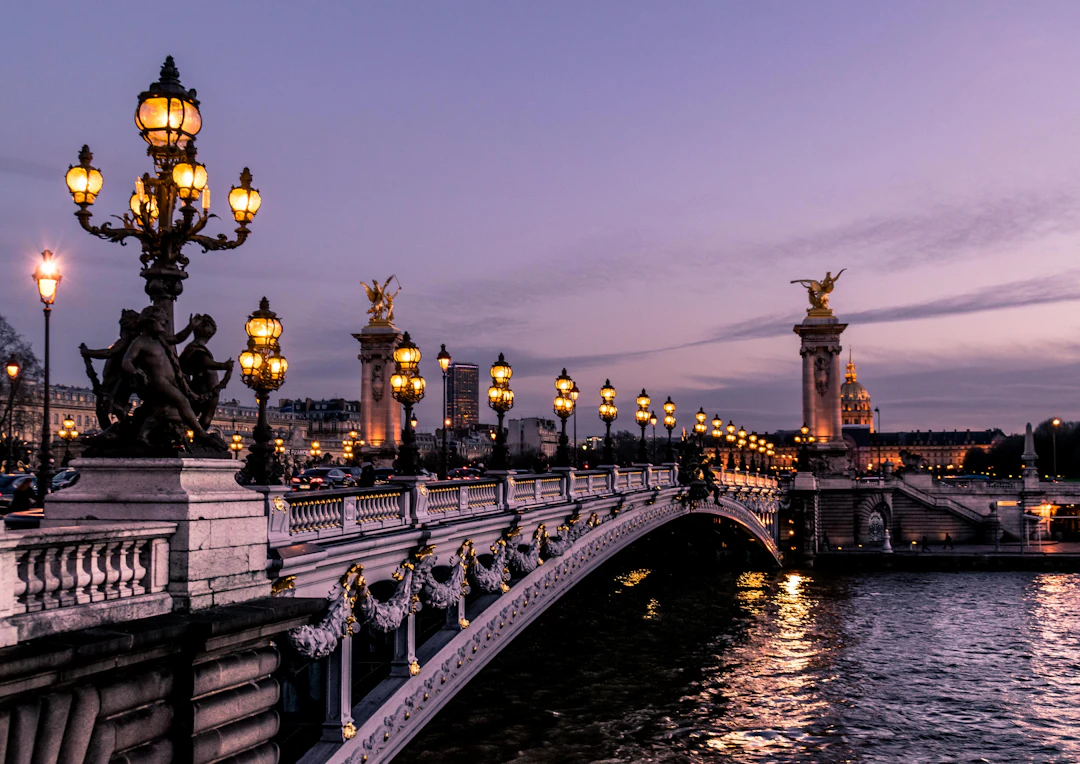
- Dusk — the low quays of the Seine, the Ile Saint-Louis and the Canal Saint-Martin empty out after 21:00.
Everything else is walkable between these windows, and the walks are part of the point.
Why the Quiet Itinerary Works
The quiet itinerary does not invent new places — it rearranges the clock. The big monuments open between 8:30 and 9:30, and the crowds usually arrive an hour and a half later. That first hour is the only window in which the Louvre has empty rooms and the Mona Lisa has no ring around it. The reverse is true in the evening: after 21:00 in summer, the crowds leave the quays and the canals, and the city belongs to the walkers. In between, the itinerary spends the day in neighbourhoods that never see a queue — the Marais outside market hours, the Buttes-Chaumont at any time, Bercy in the afternoon. The result is a plan that works in practice, not just on paper: a table without a reservation, a gallery without a line, a bench on the quay while everyone else is standing.
Why August 2026 Is the Perfect Window
The premise of this itinerary gets a yearly gift in August: Paris empties out. Le Parisien tracked it again this summer, reporting in early August 2026 that the capital genuinely hollows out in August, with many neighbourhoods running on a fraction of their usual footfall. Vogue France called the result “a quasi-Olympian calm.” This is exactly the window the itinerary is built for: the crowds you are dodging have left town.
Two seasonal details make the 48 hours even better right now:
- Paris Plages 2026 runs through the end of summer, with free swimming at six spots along the Seine. A dawn dip or a late-afternoon pause on the low quays slips perfectly into the quiet schedule.
- The Perseids peak in mid-August. On a clear night, the Canal de l’Ourcq or the high terrace above the Buttes-Chaumont lake becomes a free silent-walk destination — no tickets, no crowds, just meteors.
August is not a diminished Paris. It is the calmest, cheapest and most walkable version of the city there is — which is precisely what the itinerary below is designed for.
The 48-Hour Quiet Plan
Day 1
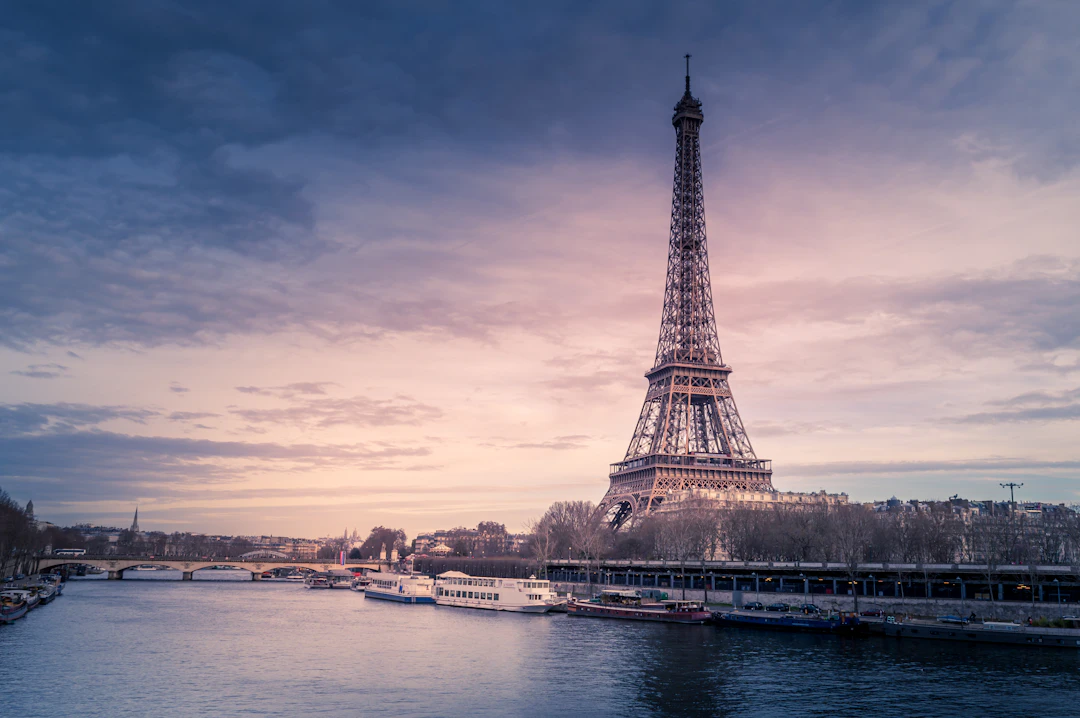
Dawn — The Eiffel Tower Book the first slot of the day. Around the Trocadéro the city is empty and the light is golden. The queues start two hours later.
Mid-morning — A quiet museum The Louvre at 9:00 is a different building: calm rooms, no crowd around the Mona Lisa. Two hours, then walk the Tuileries.
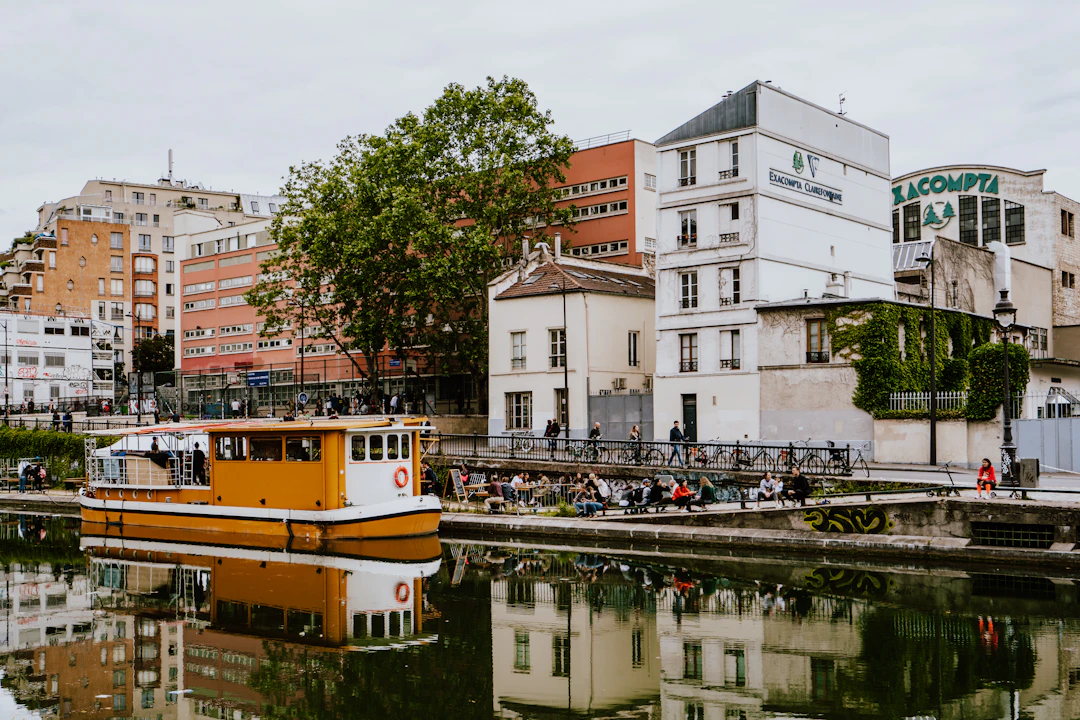
Afternoon — The canal and the Marais The Canal Saint-Martin is crowd-free at midday. Lunch on the market streets of the Marais, then a slow walk through the Temple district.
Dusk — The low quays The pedestrian banks between the Ile Saint-Louis and the Pont Neuf at golden hour. Empty, silent, free.
Day 2
Dawn — Montmartre The Sacre-Coeur steps at first light, before the funicular crowd. A quiet descent through the back streets.
Mid-morning — The Orsay A Thursday visit: the museum is open late, but morning opening is calmer. The impressionists at 9:30 are yours.
Afternoon — The green escape The Buttes-Chaumont cliffs and lake — the calmest park in the city, with the best free view. End at the Parc de Bercy if the day is long.
Dusk — One last silent walk The low quays again, or the Canal Saint-Martin at 21:00. Then dinner in a quiet side street.
The Four Walks in Detail
The four silent walks are the backbone of the itinerary, and each has its own timing and personality:
- The Tuileries–Louvre walk — from the Arc du Carrousel to Place de la Concorde, morning light on the statues. Start in the Tuileries and finish at the pyramid.
- The canal walk — from République to the Bassin de la Villette along the Canal Saint-Martin: iron bridges, plane trees and waterside cafés. Perfect at midday.
- The Buttes-Chaumont walk — climb to the high terrace above the lake, then down past the grotto and the suspension bridge. The calmest park in the city, with the best free view.
- The quays walk — the pedestrian banks between the Ile Saint-Louis and the Pont Neuf, at dusk in particular, when the lights double on the water.
Each walk is an hour to an hour and a half, entirely queue-free and entirely free.
A 48-Hour Budget
| Expense | When | Estimate |
|---|---|---|
| Transit (Navigo, two days) | both days | ~13.70 EUR |
| Eiffel Tower (first slot) | day one | from 14.50 EUR |
| Louvre or Orsay | one day | from 17 EUR (free first Sunday) |
| Market lunch | both days | ~15–25 EUR |
| Dinner in a side street | both days | ~20–30 EUR |
| Quay and canal walks | always | free |
The quiet itinerary costs no more than the standard one — the schedule is free. The real savings come from avoiding peak-hour prices and the pricier tourist-corridor restaurants.
Mistakes to Avoid
- Trying to see everything — six to eight highlights are enough. Fewer targets mean more calm, and that is the whole point.
- Hitting the monuments at noon — the timing matters more than the destination. One monument in the calm hour beats three in the queues.
- Skipping the pre-booking — the calm window is the first hour, and you only reach it with a reserved slot for the Eiffel Tower and the big museums.
The Three Golden Rules
- Book the first slot — for the Eiffel Tower and the big museums. The calm window is the first hour.
- Walk instead of queue — the moments between the highlights are the best part of the itinerary.
- Eat outside peak hours — lunch at 11:30 or 14:00 and dinner before 20:00 doubles your table choices.
Our Paris guide has the full list of calm windows, and the weekend trips from Paris guide extends the stay if 48 hours is not enough.
Getting Around: One Card Is Enough
Paris is mostly walkable, but a Navigo card simplifies the longer hops: line 1 to the Louvre and Concorde, line 7 to the canal, line 12 to Montmartre. The Batobus river boats run on a single ticket and drop you at the quays without the queues. For exact fares and updated prices, see our Paris on a budget guide.
What to Pack for the 48 Hours
- Lightweight walking sandals — 20+ km over two days, feet first
- A foldable travel daypack — layers on, layers off, no bag checks
- A collapsible water bottle — the fountains are everywhere
- An anti-theft crossbody bag — hands free for the walks
- A universal travel adapter — one cable for two days
The Last Word
The crowds in Paris are a schedule, not a fact. At dawn the monuments belong to you; at dusk the quays belong to the water. In between, the museums reward the first visitors and the canal rewards the walkers. Forty-eight hours, six to eight highlights, three silent walks — and not one queue. That is the quiet itinerary, and it works.
Last updated: August 2026 · Prices checked and updated monthly.
Prefer the city by night, or want to walk the 2026 trend streets? Pair this plan with our noctourism night walks and the Paris trends already huge this summer.
You might also like
New products coming soon.