Crete 2026 — Silent Walks on the Island Europe Is Searching For
Crete 2026: Greece biggest island is topping Google travel searches with a 180% spike. Samaria Gorge, the White Mountains, quiet September and October trails, Knossos, budgets, ferries and visas.
Key takeaways
- Crete ranks as Europe fastest-growing budget travel destination of 2026, with Google search interest up about 180% year on year — ahead of Kathmandu, Cappadocia and Riga.
- The island signature silent walk is the Samaria Gorge, a 16 km hike through a UNESCO Biosphere Reserve from the Omalos plateau down to the Libyan Sea at Agia Roumeli.
- Beyond Samaria, quieter trails await in the Imbros and Aradena gorges, the White Mountains, the Lasithi Plateau and the palm beach of Preveli.
- September and October are the golden months — days of 25-28°C, warm seas, empty trails and hotel prices well below August levels.
- Combine walking with Knossos, the Spinalonga island of memory, the caves of Matala and the raki-and-dakos table of mountain villages like Anogeia and Archanes.
Crete 2026 — Silent Walks on the Island Europe Is Searching For
Some islands are made for crowds. Crete, the largest of the Greek islands, was made for something else — walking in silence. While the travel world spent 2026 chasing Olympic tickets, World Cup stadiums and eclipse camp-sites, the search data tells another story. An analysis of Google searches numbers Crete as Europe’s fastest-growing budget destination of 2026, with interest up around 180% year on year. The set-jetting wave that followed the release of Christopher Nolan’s The Odyssey pushed enquiries across Greece even higher. And the island’s reward is arriving right now, as the August crowds thin and September and October open the greatest walking season in the Mediterranean. Here is everything you need for a quiet, unforgettable Crete.
Why Crete is the search surprise of 2026
Until this year, Crete lived in the shadow of the postcard islands. Santorini owned the sunsets, Mykonos owned the parties, and the biggest island of Greece — with 8,336 km² of mountains, gorges and coastline — quietly went about its business. Then three things changed at once.
First, the data. Travel Guard’s analysis of Google search activity among US travellers named Crete the single fastest-growing budget destination of 2026, ahead of Kathmandu, Cappadocia and Riga, with searches up about 180%. Second, The Odyssey. When Christopher Nolan’s film landed in August, easyJet holidays reported an 18% week-on-week jump in Greek bookings, and travellers started looking past Athens and Santorini toward the islands where quiet still exists. Third, the season. August 2026 delivered record heat across southern Europe, and travellers finally understood that the Mediterranean’s smartest months are September and October — exactly when Crete is at its most beautiful.
Crete plays its part, too. Its lauded identity is a mixture of mountain independence, Minoan ancientness and the famous word filoxenia — the Greek love of strangers. There are over 30 gorges to walk, the highest mountains of the Aegean, and beaches that still empty at dusk. You do not visit Crete to check a list; you visit to walk slowly and let the island do the talking.
Crete in numbers
- 8,336 km² — the largest Greek island and the fifth largest in the Mediterranean
- About 180% — the year-on-year growth in Google searches for Crete as a budget destination in 2026
- 16 km — the length of the Samaria Gorge trail, one of the longest in Europe
- 2,456 m — the height of Mount Psiloritis, the island’s highest peak
- Over 30 gorges to walk, plus the E4 European long-distance path crossing the island
The great silent walk — Samaria Gorge
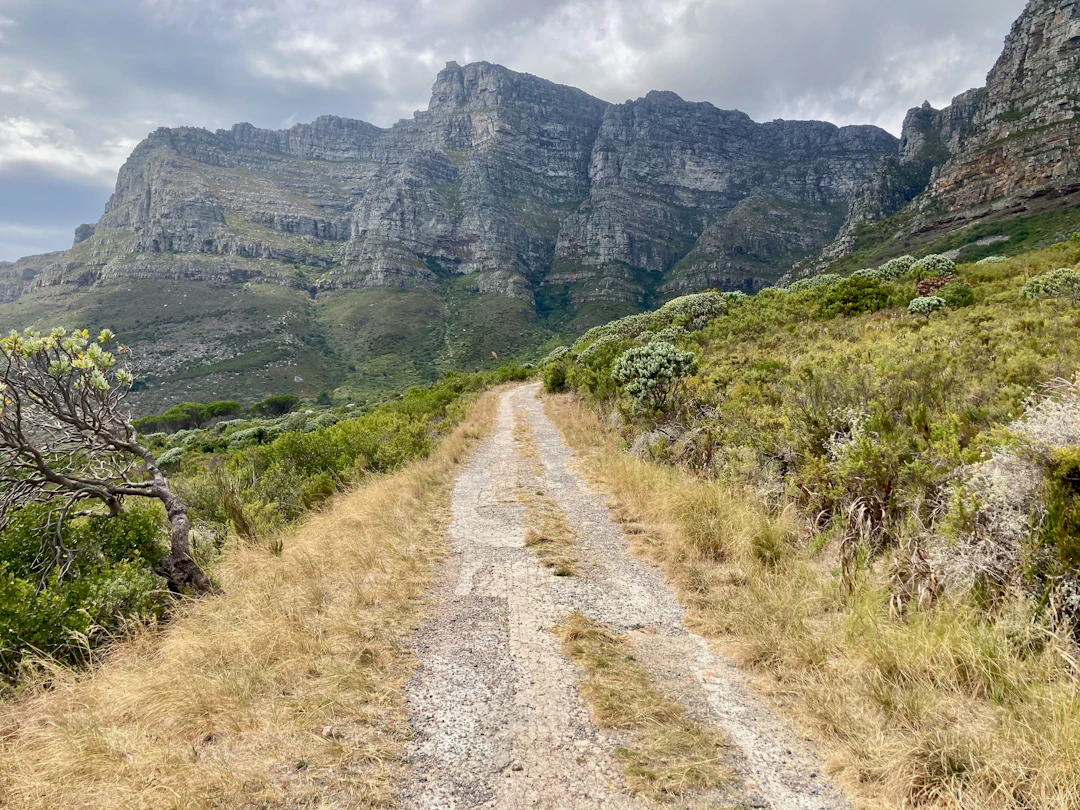
Every serious walker in the Mediterranean eventually arrives here. The Samaria Gorge plunges through the White Mountains from the upland village of Omalos at about 1,200 m all the way down to the Libyan Sea at Agia Roumeli — a single 16 km descent lasting four to six hours, entirely on foot. The path threads between sheer limestone walls that narrow to the famous “Gates” (the Portes), passes over freshwater streams, and runs through a national park that has been a UNESCO Biosphere Reserve since 1981. Keep your eyes on the cliffs for the bearded vultures and for the kri-kri, the rare wild goat that is unique to Crete.
Practicalities matter. The gorge opens roughly from May to October, depending on weather, with a small entry fee around 5 euros. Buses from Chania reach the Xyloskalo entrance in the early morning, and you should be on the trail by 9 a.m. Wear closed shoes with grip — this is 16 km of stone, not a stroll. Water refills are available along the way, and at the bottom the village of Agia Roumeli is closed to cars, reachable only on foot or by sea. Take the late-afternoon ferry to Chora Sfakion or Paleochora, and from there a bus or a drive home. In September and October, you will share the gorge with birdsong and very few people.
The quieter gorges
Samaria deserves its fame, but silence purists go further. The Imbros Gorge, an easy 8 km descent near Sfakia, stays open all year and is superb in October light. The Aradena Gorge drops from the stone bridge at Aradena into one of the wildest ravines of the island, with a natural pool at its heart — bring a rope-free head for heights as parts of the path cling to the rock. In the east, the Richtis Gorge ends at a small waterfall and swimming pool, and is one of the few walks that families can manage. And the Kourtaliotiko Gorge near Plakias is short enough for a morning loop beneath the road bridge.
Mountains, plateaus and quiet villages
Crete’s silence lives in the heights. The White Mountains (Lefka Ori) hold the island’s alpine heart, with the E4 trail crossing passes above 2,000 m where you can walk for hours without seeing anyone. On the far side, the Lasithi Plateau sits at 850 m surrounded by peaks, its fields still punctuated by the white-sailed windmills of the last century, and is the gateway to the Diktaion Cave, one of the two caves where legend places the birth of Zeus. Mount Psiloritis (2,456 m) is the island’s roof — an ascent rewarded by the Aegean in all directions. Base yourself in a mountain village like Anogeia, Archanes or Kritsa, where the evening conversation, the raki and the cheese are part of the route, and where the silence of the night is the most complete in Europe.
Coastal walks and empty beaches
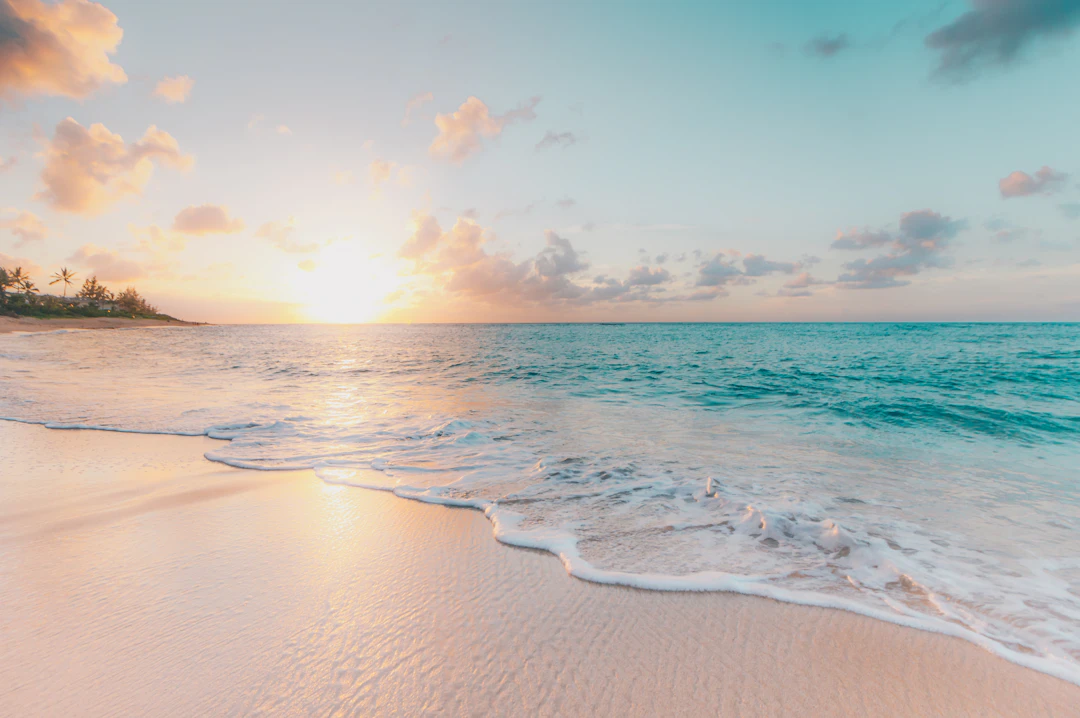
The smooth coastline hides its own trails. Elafonisi joins the mainland by a long sandbank you can wade across through turquoise water; arrive at sunrise and the pink-sand lagoon is yours alone. Balos Bay can be reached by a stony track from Gramvousa, a walk that delivers the island’s most photographed lagoon without the crowds of the boat trips. On the south coast, Preveli combines a gorge, a river, and a palm forest that ends on a black-sand beach. And the little car-free port of Loutro, reachable only by foot or ferry, is the quietest base of all: no roads, no noise, nothing to do but walk.
Why September and October beat August
The months of September and October are the best-kept secret of the Greek calendar, and they suit Crete perfectly:
- Weather — days of 25-28°C, warm evenings, and the sea still at bath temperature into early October
- Crowds — the August families have gone home, so gorges, beaches and bus stops are half empty
- Prices — hotel rates drop well below their August levels, and flights get cheaper week by week
- Harvest — olives, grapes, chestnuts and figs fill the villages, and the tavernas cook at their best
- Samaria — the gorge is in perfect shape before the winter closure
Where to stay on a walking holiday
- Chania — the old Venetian harbour is the island’s most beautiful base, and the launch point for Samaria, Imbros, Elafonisi and the west coast. Hotels for every budget, great food.
- Rethymno — a calmer old town halfway along the north coast, ideal for splitting the island in two.
- Heraklion — the business hub beside Knossos and the eastern gorges; best for the first and last night around the airport.
- South coast villages — Paleochora, Sfakia and especially car-free Loutro put you at the start of the trails with the sea at your door.
- Mountain villages — Anogeia, Archanes and Kritsa for the true island rhythm, slow food and the deepest quiet.
Getting there, ferries and moving around
Flying in. Crete has two international airports: Chania in the west (closest to Samaria and the best walking country) and Heraklion in the east (closest to Knossos and the Lasithi area). Both are served by direct flights from most European countries, and summer schedules are extensive. Book flights for late September or October now — the shoulder season is filling faster than ever in 2026.
By ferry. Overnight ferries from Piraeus (Athens) reach Heraklion in around 9 hours, and day services also run to Chania. For island hoppers, ferries connect Crete to Santorini several times a week. Ships are comfortable, and sleeping on board saves a night of accommodation.
On the ground. A small rental car is the key to the gorges and villages, and prices in the shoulder season are friendly. The public buses (KTEL) are reliable for the main routes, including the early morning Chania–Omalos bus that meets the Samaria opening time. Villages are walkable at dawn, and taxis cover the rest. Drive carefully on mountain roads — the view comes at the price of patience.
Weather and seasons
- April to June — the green shoulder: wildflowers, cool nights, and gorge trails open and quiet. The sea is still fresh until late May.
- July and August — the hot peak: 30-35°C, packed beaches and the Samaria queues at their longest. Fine for swimmers, less for silence.
- September to November — the golden season: warm days, warm sea, and the island returning to itself.
- December to March — mild and green, with snow on the peaks and the high gorges closed. Matala and the south coast stay gentle.
Pack a windbreaker for the mountains, good shoes with grip for the stone trails, and light layers for the evenings. The sun is strong in September, and the refill culture is well established in the villages, so a water bottle and a small daypack make the whole island easier.
What to pack for Crete
- Foldable travel daypack (16,90 €) — carry water, maps and lunch for the long gorge descent.
- Collapsible silicone water bottle (13,90 €) — refill at the gorge springs and village fountains.
- Universal travel adapter (15,90 €) — Greece uses the same type C and F sockets as the rest of Europe.
- Noise-cancelling earplugs (12,90 €) — ferry cabins and lively coastal tavernas are covered.
- Lightweight walking sandals (19,90 €) — for the beach walks and the village evenings.
- RFID-blocking travel wallet (11,90 €) — keep cash and cards safe through the ports and the hills.
Beyond the trails: the island of memory
Walking gives you the skin of Crete; a few extra days give you its soul. Knossos, ten minutes from Heraklion, is the greatest Minoan palace of all, a labyrinth of storerooms and frescoes that dates back 3,500 years and carries the myth of the Minotaur. Spinalonga, a tiny island fortress off Elounda, became a leper colony that Victoria Hislop immortalised in The Island — a walk into one of the most moving chapters of Greek history. Matala kept its caves, where the hippies of 1968 slept and photographed the pink cliffs above the water. And the table matters as much as the trail: dakos (barley rusk with tomato and mizithra), kalitsounia pastries, graviera cheese, wild greens, mountain herbs and of course raki, the grape spirit that every village pours for free.
For more inspiration, our guide to the best slow travel destinations of 2026 and our silent walking guide to Athens fit perfectly around a Crete itinerary. Sports travellers should pair the island with our Dakar 2026 Youth Olympic Games guide and the total solar eclipse in Spain 2026 to build a full Mediterranean event year.
External resources
- Visit Greece — official tourism website of the Greek National Tourism Organisation
- Minoan Lines — official ferries to Crete, from Piraeus to Heraklion and Chania
- Ferries Booking — compare timetables and prices across the Greek ferry network
- UNESCO — Samaria Biosphere Reserve — official information on the gorge’s protected status
You might also like
New products coming soon.