Albania 2026 — The Quiet Adriatic Coast Before the World Arrives
Albania bookings jumped 288% in 2026. A slow travel guide to the Albanian Riviera, Theth & Valbona, Berat, Gjirokastër and Butrint — before the crowds catch up.
Key takeaways
- Albania is Europe's fastest-growing tourism destination: 12.4 million foreign visitors in 2025, roughly 24% of GDP, and French bookings up 288% in summer 2026.
- The window is still open — tourism is booming but the Riviera between Vlorë and Sarandë remains far less built-up than neighbouring Mediterranean coasts.
- The north (Theth, Valbona, Lake Koman) is Albania's slow-travel heart: ranger-free mountain valleys, family guesthouses and the classic Theth–Valbona pass walk.
- The south pairs the Ksamil coastline with UNESCO sites — the ancient city of Butrint and the stone town of Gjirokastër, both easily walked.
- Go in shoulder season (May–June, September–October): the season is stretching, and the quietest weeks of the Albanian year are still the best value.
Albania 2026 — The Quiet Adriatic Coast Before the World Arrives
There is a country where the Mediterranean coast is still lined with olive groves instead of beach clubs, where a mountain guesthouse costs less than a hostel bunk in Santorini, and where the ancient streets you walk are UNESCO-listed but not yet famous. That country is Albania — and in 2026, the world just found out. French travel agencies recorded a 288% jump in bookings for the summer; the country welcomed 12.4 million foreign visitors in 2025, roughly a quarter of its economy; and July 2026 pushed more than 2 million passengers through the airport and ports in a single month.
For walkers, this is the last call for the quietest great coast in Europe. The crowds are coming — but they have not arrived yet. The Albanian Riviera between Vlorë and Sarandë still holds long empty stretches of pebbled shore. Theth and Valbona still close their mountain valleys at night without a sound. Berat’s thousand-windowed old town still belongs to the people who live there. This guide is the walker’s map to the window that is still open: the north’s stone villages, the centre’s walking cities, the south’s quiet coast, and the practical details — budget, timing, routes — that keep the silence intact.
Already tired of the crowds? Our destination dupes for 2026 maps the quieter twins of Europe’s most famous places — and Albania is one of the last ones left.
✨ Albania is the rarest thing in European travel right now: a place the world is talking about, that it has not yet filled. The walker’s window is open — for now.
Why Albania is suddenly everywhere
The numbers are not hype. The Ministry of Tourism reported 3 million foreign visitors in the first five months of 2026, with May arrivals up 16% year on year at over 1.14 million. July alone moved 2.05 million passengers through Tirana Airport and the ports of Sarandë (131,000), Durrës (111,000) and Vlorë (17,000). The first direct intercontinental route — Canada to Tirana — launched in June 2026, and cruise ships now call at Durrës. Albania is being discovered because it is what the Mediterranean used to be: beautiful, welcoming and affordable, with 70% of arrivals coming from Southern Europe while the rest of the world catches up.
The reasons are structural, not viral. Albania stayed out of the mass-tourism circuit for decades, so its coastline never got the concrete treatment of its neighbours. Prices remain the lowest on the Mediterranean — the country is regularly ranked the most affordable seaside destination in Europe by booking and ticket-price barometers. And its three regions are compact enough for a two-week trip: the Albanian Alps in the north, the walking cities of the centre, and the Ionian Riviera in the south.
The north: Theth, Valbona and the slow mountains
The Albanian Alps are the country’s slow-travel heart, and they are the reason walkers are arriving before the beach crowd does. Two villages matter: Theth and Valbona, separated by one of the Balkans’ most beautiful mountain passes — a 5-7 hour walk through beech forest, shepherds’ pastures and limestone walls, best done east to west so the sun is at your back in the afternoon. Both villages run on family guesthouses: 25-40 EUR a night with breakfast, home-cooked lamb, and silence that arrives with the dark.
Getting there is half the experience. The Lake Koman ferry threads a canyon of green water and rock for two and a half hours between Koman and Fierza — a boat ride that is itself a walking holiday’s opening chapter. From Fierza, the road climbs past the lip of the valley to Valbona. Theth is reached by the twisty road from Shkodër over the Qafa e Thores pass, which is the reason the valley keeps its quiet.
The walker’s move: walk the Theth–Valbona pass (carry a map — the trail is not always marked), then spend a second day in Theth on the short loop to the Grunas waterfall and the Lock-in-Tower of the Kanun. In shoulder season you can share the pass with more goats than people.
The centre: Tirana and Berat on foot
Tirana is not a museum city; it is a city that lives on its streets, and that makes it perfect for walking. The Blloku district — once reserved for the party elite, now cafés and leafy lanes — is the classic route, plus the Grand Park’s lake loop and the Dajti cable car for a view over the plain. Allow one full day; Tirana rewards slow mornings and late evenings.
Berat, the “town of a thousand windows”, is a UNESCO World Heritage Site and the most walkable historic town in the country. The Ottoman houses climb the hill beneath the Kalaja castle in stacked white terraces; the stone lanes above the Osum river are quiet even in summer. Walk the old town in the morning, cross the Gorica bridge to the hill of the same name for the panorama, and finish at the castle walls at sunset when the day-trippers have gone.
The walker’s move: base yourself in Berat’s Mangalem quarter and give the town two mornings — one for the lanes below the castle, one for the castle itself — with a slow afternoon on the Osum’s banks between them.
The south: the Riviera, Ksamil, Butrint and the Blue Eye
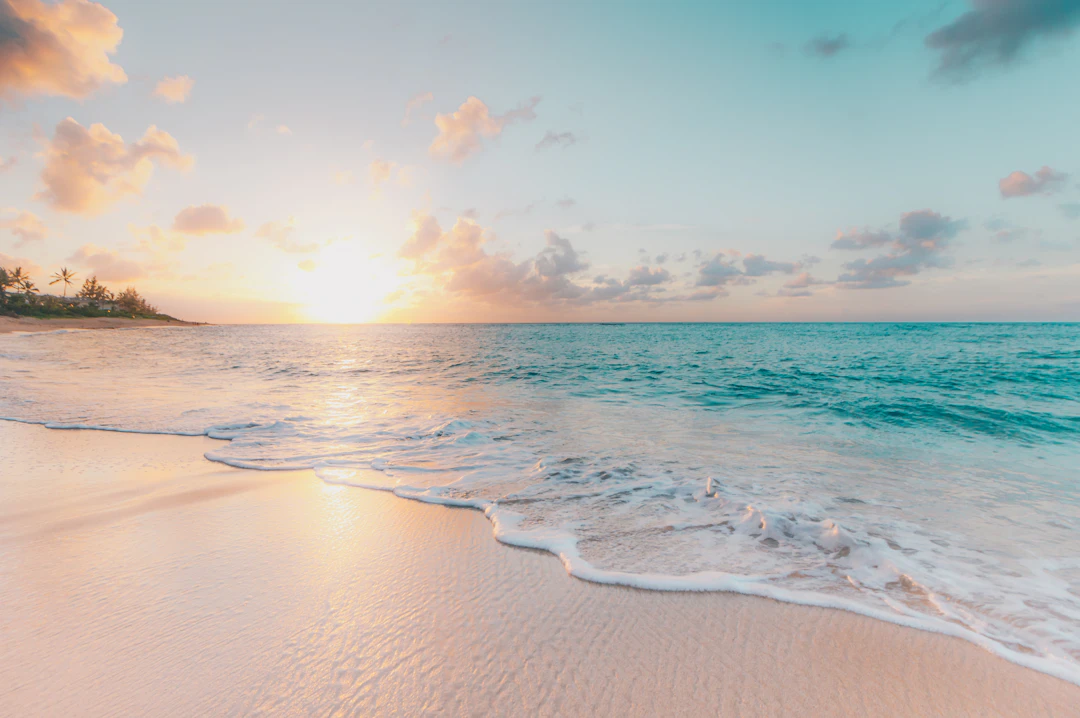
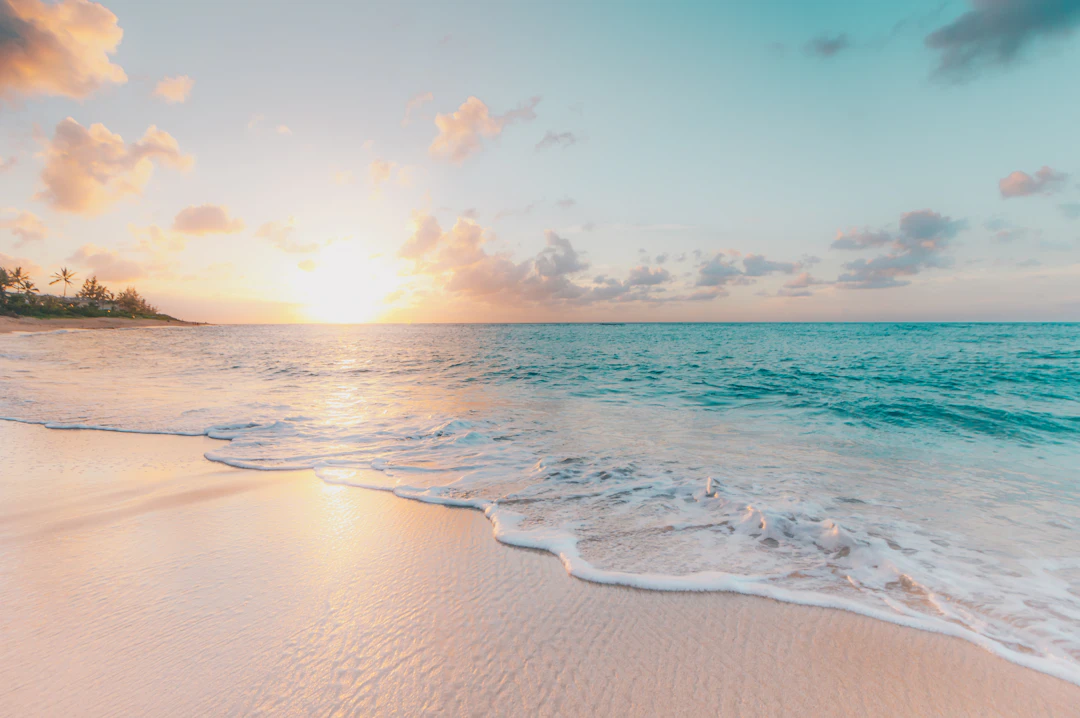
The coast between Vlorë and Sarandë — the Albanian Riviera — is the reason the country is trending, and it is still a coastline of coves, headlands and small villages rather than resorts. Ksamil, with its offshore islets and access to Butrint National Park, has become the face of the season: the new bypass and urban renewal projects of 2026 turned peak-season congestion into easy access, and the season now opens in April. Sarandë is the natural base — the port moved 30,567 passengers in April 2026 alone, up 52% year on year — with ferries from Corfu just 45 minutes away.
The south’s real treasure is on foot. Butrint is one of the Mediterranean’s most complete ancient cities, a UNESCO site where you walk Greek walls, Roman mosaics and a baptistery among eucalyptus and wetlands — and it rewards the slow visitor with shade and birdsong long after the tour groups leave. Inland, Gjirokastër — the “stone city”, another UNESCO town — climbs its hillside in slate-roofed Ottoman houses, with a castle and a bazaar lane that are best walked at the edges of the day. And the Blue Eye (Syri i Kaltër), a spring of astonishing turquoise depth near the Greek border, is reached by a short woodland walk that is cooler than the coast.
The walker’s move: walk Ksamil’s headland to the islets at dawn, spend a full morning inside Butrint, and save Gjirokastër for a late-afternoon climb to the castle. If you want the coast without company, the Karaburun-Sazan Marine Park — 16,466 visitors across June and July 2026, a fraction of the Riviera’s numbers — runs boat walks and coves from Vlorë that few reach on foot.
📍 Local note: the quietest beaches on the Riviera are the ones between Himara and Sarandë that buses skip — ask at your guesthouse for the cove of the day, and walk in with your own towel and water.
How to plan the trip — the new rules of quiet Albania
- Book the north first — Theth and Valbona guesthouses are small and their season is short; the pass walk works best in May-June or September, before the heat climbs.
- Use the shoulder season — May-June and September-October give you the warm sea with half the cars; our shoulder season guide explains the timing that dodges both crowds and closures.
- Carry cash — card acceptance has improved in cities, but mountain villages, guesthouses and coastal kiosks still prefer cash; a daily cash float of 50 EUR keeps every door open.
- Treat the road as part of the trip — mountain routes are beautiful and slow; the Koman ferry and the Qafa e Thores pass are experiences, not logistics.
- Layer the walking — Alps in the north, street walking in Tirana and Berat, ruins and coves in the south: one country, three walking styles.
- Combine with the quiet Balkans — Albania sits beside the walker’s network of slow travel destinations for 2026, with Kotor across the border in Montenegro and the walkable UNESCO sites of the region a bus ride away.
💡 The quiet rule: for every part of Albania that is trending — Ksamil, the Riviera — there is a part the trend has not reached yet: Theth in September, the castle lanes of Gjirokastër in the morning, the coves of Karaburun. Match the famous places to the hours the crowds do not use.
Budget and practical information
| Item | Low (EUR) | High (EUR) | Comments |
|---|---|---|---|
| Guesthouse night (Theth/Valbona) | 25 | 40 | Breakfast usually included |
| Room on the Riviera (shoulder) | 40 | 90 | Doubles in peak August |
| Local lunch for two | 10 | 20 | Byrek, fresh fish, raki culture |
| Koman ferry (Koman–Fierza) | 8 | 12 | One of Europe’s great boat rides |
| Corfu–Sarandë ferry | 20 | 35 | 45 minutes, multiple daily |
| Daily budget, self-catering | 50 | 80 | Food, transport, simple room |
| Daily budget, comfort | 90 | 150 | Hotels, guides, boat trips |
⚠️ Watch out: the boom has brought touts to the busiest spots — fixed “taxi” prices around Ksamil and the Blue Eye, and unlicensed boatmen around Butrint. Ask at your accommodation for fair prices and official boat operators; the difference is usually 30%.
Common mistakes and how to avoid them
- Doing Albania in a weekend dash — the country is small in miles and long in road hours. The fix: two weeks, three regions, one region at a time.
- Trying to see Theth and the beach in the same day — the mountains and the coast are both slow to reach. The fix: treat the Alps as a 3-night block and the Riviera as another.
- Walking the Theth–Valbona pass without a map — the trail is not always marked and the weather can close the pass. The fix: download the route, tell your guesthouse your plan, start early.
- Expecting card payments in the villages — cash is still king outside the cities. The fix: the 50 EUR daily cash rule.
- Following the crowds to Ksamil in August — the famous island view has been discovered. The fix: shoulder season, and the coves between Himara and Sarandë instead.
A sample two weeks: the quiet Albania itinerary
Land in Tirana, walk the Blloku and the Grand Park for two days — then cross the mountains the slow way: bus to Shkodër, over the Qafa e Thores pass to Theth, two nights in a guesthouse, the pass walk to Valbona, another night, and the Lake Koman ferry down the canyon. Return through the centre: two nights in Berat among the thousand windows. Then the south: bus to Sarandë, a dawn walk on the Ksamil headland, a full morning in Butrint, a day trip to the Blue Eye, and two nights in Gjirokastër with its castle and stone bazaar. Total: about 1,400-2,200 EUR per person, flights excluded, with every famous place visited at the hours the crowds are elsewhere.
The editorial verdict
The verdict
Albania is the travel story of 2026 because it is the proof that the Mediterranean still has room: a coast that was never sold, mountains that were never packaged, prices that have not caught up. The boom is real — 12.4 million visitors in 2025, 288% more French bookings, a port that moves 30,000 people a month. But the country’s geography is its own defence: the roads are slow, the guesthouses are small, and the quiet places are reached on foot. For the walker, Albania is not the destination that is about to be spoiled. It is the destination that decides how you travel — and if you travel slowly, it stays quiet.
📝 Editorial note
At GlobalSilentWalks we have watched the Mediterranean close its doors one cove at a time. Albania is the exception that proves the rule: a country arriving late to tourism, with its silence still intact because its mountains kept the crowds at bay. The window is open now, but windows close. Walk it before the world does.
Conclusion and next steps
The world has found Albania, but the quiet parts of it are still exactly where they were — behind the mountains, at the ends of the roads, on the coves the buses skip. The numbers are real: the bookings are climbing, the season is stretching, and the prices will not stay this gentle forever. If you have been waiting for a European coast that still feels undiscovered, this is the moment. The window is open. Walk through it.
Last updated: August 2026 · Sources: Albanian Institute of Statistics (INSTAT), Ministry of Tourism and Environment 2026, ATA press agency, Les Entreprises du Voyage summer 2026 observatory, Sarandë Port Authority.
You might also like
New products coming soon.