
Best Night Skies for Stargazing in 2026: 7 Dark-Sky Parks
The best night skies for stargazing in 2026: Atacama, Tenerife, NamibRand, Aoraki and more certified Dark Sky parks — with moon phases, 2026 new moons, meteor showers and the gear you actually need.
The Best Night Skies for Stargazing in 2026
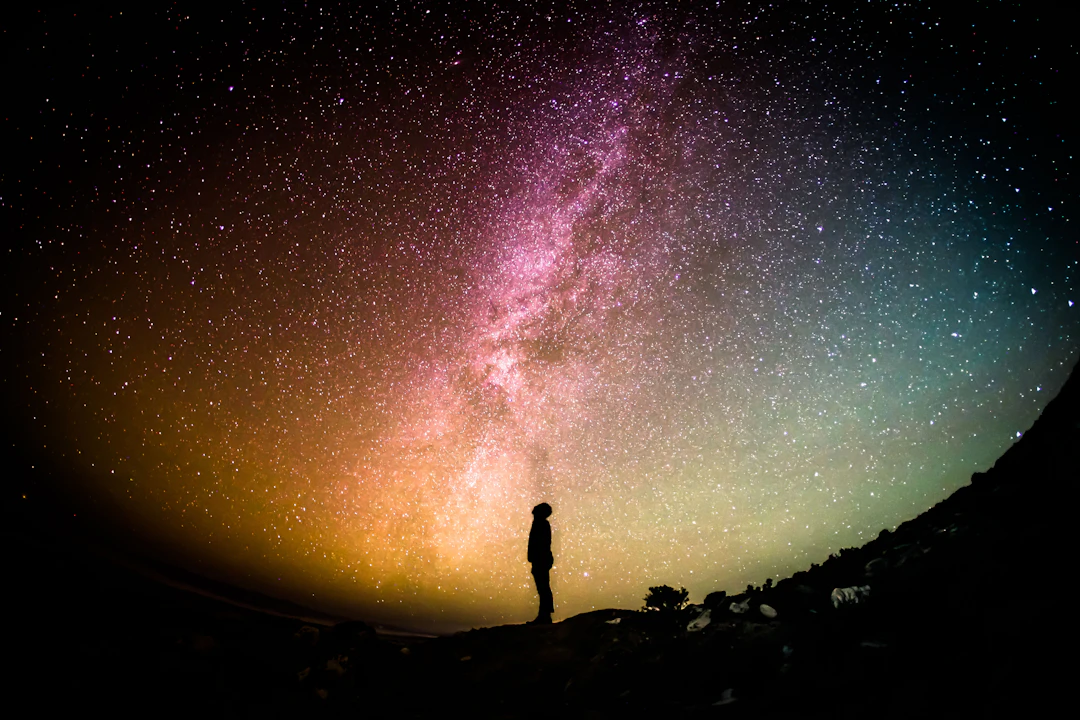
Darkness has become a rare resource: 80% of humanity lives under light-polluted skies. Here are seven certified Dark Sky reserves where the Milky Way still casts a shadow in 2026. The growing astrotourism movement means more destinations are investing in dark-sky preservation, installing shielded lighting and offering guided astronomy experiences.
Southern Hemisphere — Milky Way overhead
- Atacama Desert (Chile) — ALMA observatories offer public visits by day, and hotels like Elqui Domos come with private telescopes on the roof. The altitude of 2,400 metres means thinner atmosphere and sharper views.
- NamibRand (Namibia) — Africa’s first Dark Sky reserve, spanning over 200,000 hectares. The desert climate guarantees 300 clear nights per year. Stay at NamibRand Family Hideout for an off-grid stargazing experience.
- Aoraki Mackenzie (New Zealand) — international Dark Sky reserve with dedicated astro-tours departing from Lake Tekapo village. June–August offers crisp winter skies with the Magellanic Clouds visible to the naked eye.
Northern Hemisphere
- Tenerife (Canaries) — Teide National Park sits at 3,718 metres with Europe’s purest sky. Cable car runs until sunset, and stargazing platforms have guided sessions year-round. Accessible via direct flights from most European capitals.
- Death Valley (USA) — Gold Tier Dark Sky Park, with February and October offering the most stable conditions. Furnace Creek and Badwater Basin provide vast open horizons. Summer temperatures can exceed 48°C, so plan carefully.
- Lake Tekapo / Church of the Good Shepherd — overcited but unmissable for first-timers. The church foreground creates iconic photos. Visit during the week to avoid crowds, and arrive before midnight for the best Milky Way position.
European bonus
- Hortobágy (Hungary) — Great Plain with summer Milky Way transit directly overhead. The Puszta region offers traditional farm stays where you can walk out your door into total darkness. No light pollution for kilometres in any direction.
2026 new moons to target
Best windows: April 17, May 16, June 14, July 14, August 13, September 11. Plan your trip so that midnight falls at least two days after the new moon — the moon will be below the horizon, leaving the sky completely dark. The week leading up to the new moon also works, as the crescent sets before midnight.
2026 meteor showers
- Perseids — peak August 12–13 (up to 100 meteors/h). The waning moon rises around 3 a.m., giving a dark window from midnight to 3 a.m. — prime viewing time.
- Geminids — peak December 13–14 (up to 150/h, crisp winter air). December nights are long, but temperatures can drop below freezing. Dress in layers and bring a thermos of hot tea.
A perfect sky is three conditions: new moon + cloudless + 2 hours’ walk from the last streetlight.
Gear that won’t break the bank
- 10×50 binoculars are enough for Andromeda and the Pleiades. A simple tripod adapter costs under £20 and makes a huge difference.
- Stellarium or Sky Guide app in red-light mode helps identify constellations without ruining your night vision.
- Red-filter headlamp preserves night vision for 20 minutes — cheaper than a dedicated astronomy torch.
- A reclining camping chair lets you gaze at the zenith without neck strain. Add a warm blanket and you are set for hours.
For more travel inspiration, visit our inspiration section.
What to look for in the 2026 night sky
Beyond the Milky Way itself, a clear night at a Bortle 1–2 reserve rewards you with targets that city skies hide completely. In 2026 the planets put on a string of memorable apparitions:
- Saturn (July–October) — its rings tilt at their most photogenic angle for 2026. Any small telescope shows the ring gap.
- Jupiter (September–February next year) — the four Galilean moons flip position night to night, visible even in 10×50 binoculars.
- Mars (November–December) — reaches opposition late in the year, staying up all night and appearing at its brightest in over two years.
- The Andromeda Galaxy (autumn evenings) — a faint smudge to the naked eye that binoculars resolve into a real galaxy.
- The Pleiades (winter) — the compact star cluster that looks like a tiny dipper, a favourite target for first-time observers.
A red-light app like Stellarium or Sky Guide will tell you exactly where each target sits from your reserve on any given night, so you arrive already knowing what to point at.
How to plan a night under a dark sky
The single biggest factor is the moon. Even a half moon washes out the faintest structures, so aim for the nights in our 2026 new-moon windows listed above — April 17, May 16, June 14, July 14, August 13 and September 11. Then:
- Check the weather forecast for your reserve, not your city — mountain and desert skies behave differently.
- Arrive before sunset to scout a flat, unobstructed horizon and let your eyes adapt slowly.
- Give your eyes 20 minutes of red-light darkness before judging what you can see; details keep revealing themselves for a full hour.
- Dress for the post-midnight chill — even desert reserves drop sharply after dark.
Pair the trip with our guide to the best places to stargaze in 2026 — 7 dark-sky silent walks and round out the same sky-watching window with the best sunset spots in Europe 2026, so the golden hour leads naturally into the star field.
For more dark-sky destinations, explore our Death Valley guide and Atacama guide. Bring a foldable travel daypack and lightweight walking sandals for night hikes. Resources: International Dark-Sky Association, Wikipedia astrotourism, Time and Date moon phases. Pack a thermos of hot drink and patience — the best views come to those who wait.
More Night-Sky Silent Walks
Build your full 2026 night-sky year around the cluster below — stargazing, dark-sky parks, meteor nights and golden-hour sunsets, all reached without a car.
- Autumn 2026 Meteor Shower Calendar: The 5 Must-See Nights + Where to Walk [Dates & Dark Sky]
- Best Places to Stargaze in 2026: 7 Dark Sky Silent Walks Ranked [No Light Pollution]
- Best Places to Stargaze in 2026: Top Destinations for Noctourism
- Best Places to Watch Sunset in 2026: 10 Silent Walks for Golden Hour [No Crowds, Europe + World]
- Best Stargazing Locations in the World 2026: The 10 Dark-Sky Spots to Visit
- Best Sunset in Europe 2026: 10 Golden-Hour Spots for a Silent Walk
- Dark Sky Europe 2026 — Silent Nights at the Continent’s Best Stargazing Parks
- Noctourism 2026: Best Stargazing Destinations Around the World
You might also like
New products coming soon.
![Autumn 2026 Meteor Shower Calendar: The 5 Must-See Nights + Where to Walk [Dates & Dark Sky]](https://images.unsplash.com/photo-1464802686167-b939a6910659?w=1080&q=75&auto=format&fit=crop&fm=webp "Autumn 2026 Meteor Shower Calendar: The 5 Must-See Nights + Where to Walk [Dates & Dark Sky]")
![GTA VI DualSense Limited Edition PS5 Controllers: Price, Pre-order Sept 10, Black vs White [2026]](https://images.unsplash.com/photo-1606144042614-b2417e99c4e3?w=1080&q=75&auto=format&fit=crop&fm=webp "GTA VI DualSense Limited Edition PS5 Controllers: Price, Pre-order Sept 10, Black vs White [2026]")