How to Plan a Multi-Country Trip Without Stress
A repeatable framework to plan 3–5 country trips: routing, visas, transport, money and pacing.
How to Plan a Multi-Country Trip Without Stress
Multi-country trips fail when people optimise for “seeing more”. The secret is to optimise for flow — geography, visas, transport and pacing all line up. In 2026, with new flight routes and digital nomad visas, planning has never been more flexible.
Step 1: pick a region, not a list
Choose 3–5 countries that share a coherent geography (Balkans, Southeast Asia, Andes, East Africa). Cross-region jumps (Tokyo → Buenos Aires mid-trip) wreck budgets and bodies. In 2026, consider emerging multi-destination regions like the Caucasus (Georgia, Armenia, Azerbaijan) or Central Asia (Uzbekistan, Kazakhstan, Kyrgyzstan) which offer incredible value.
Step 2: draw the route as a loop or arc, never a zigzag
Use Rome2Rio or Google Maps “directions” to see the natural land route. If two cities require an out-and-back flight, drop one. Overland connections (trains, buses, ferries) save money and reduce carbon footprint. The 2026 European rail expansion makes train travel between neighbouring countries seamless.
Step 3: visas first, dreams second
Check passport requirements for every country before booking. The Schengen 90/180 rule traps long-trip Europe travellers every year. In 2026, the European Travel Information and Authorisation System (ETIAS) adds a new step for visa-exempt travellers entering Schengen countries. Apply online at least 72 hours before departure. For digital nomads, countries like Portugal, Spain and Croatia now offer specific nomad visas valid for 1–2 years.
Step 4: pick a pace
- Slow: 7+ nights per country, 3 countries in a month.
- Standard: 4–5 nights per country, 4 countries in a month.
- Fast: 3 nights per country — exhausting, not recommended above 30.
Aim for a minimum of 4 nights per destination to actually experience a place rather than just transit through it.
Step 5: book the bookends, freestyle the middle
Lock in:
- Inbound flight to country 1
- First 2–3 nights of accommodation
- Outbound flight from final country
- Any reservations with strict dates (Inca Trail, Mt Fuji huts, Galápagos)
Everything else: book 2–3 days ahead as you go. This flexibility lets you adjust based on recommendations from fellow travellers.
Step 6: budget per country, not per trip
Bali and Sydney are not the same. Build a per-country daily budget × nights → sum to overall. Add 15 % buffer. For 2026, factor in rising accommodation costs in popular destinations and favourable exchange rates in Japan and Argentina.
Step 7: money on the move
- One multi-currency card (Wise, Revolut) as primary.
- One credit card for hotels and emergencies.
- 100 USD cash for genuinely off-grid corners.
- Notify your bank of your travel dates to avoid blocks.
Step 8: build in two “soft days”
Plan two days with zero schedule — pure laundry, slow coffee, catching up. They are what stop multi-country trips from becoming a blur. Use these days to wash clothes, sort photos and rest.
Packing for multi-country travel
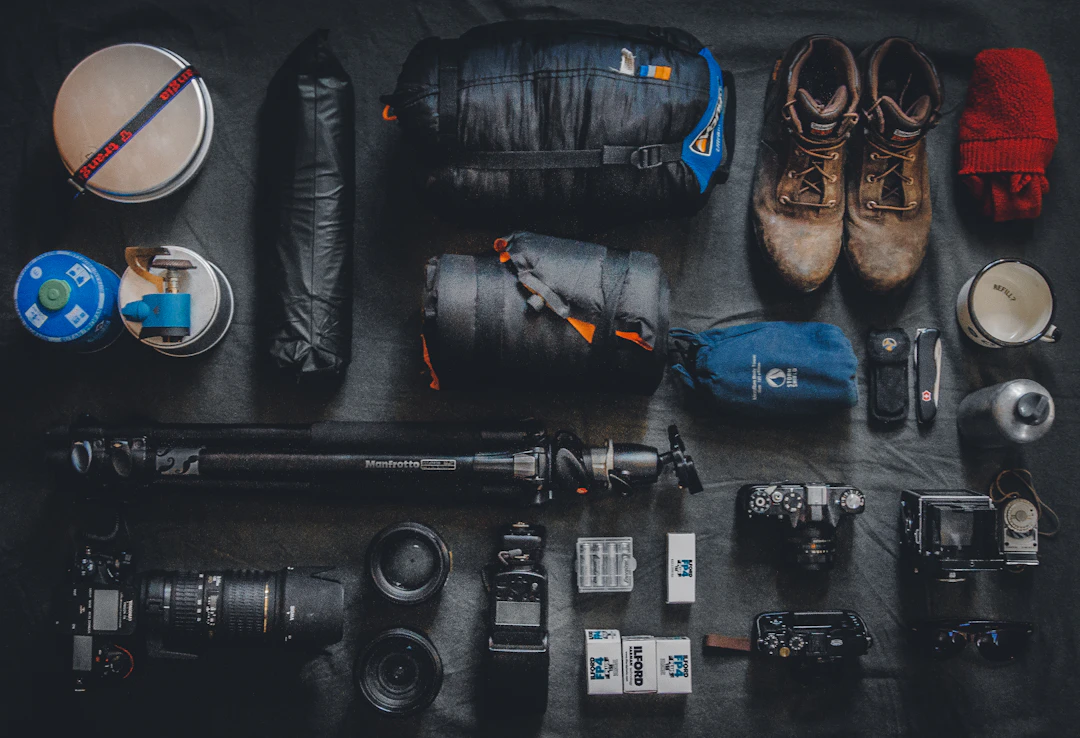
Pack light and versatile. A carry-on backpack (40–50L) is ideal for multi-country trips. Essential items include an International Travel Adapter (€15.90) compatible with multiple plug types and Packing Cubes Set (€17.90) to organise clothes across different climates. Layering is key — a lightweight jacket, quick-dry trousers and comfortable walking shoes cover most scenarios.
Don’t forget to arrange comprehensive Travel Insurance before departure and review Jet Lag Recovery Strategies for long-haul flights between continents.
Step 9: stay connected
An eSIM from Airalo or Holafly lets you switch between countries without changing physical SIMs. Download offline maps (Google Maps or Maps.me) for every country before you arrive.
Additional resources
- Rome2Rio — multi-modal route planning
- Wise — low-fee currency conversion
- Skyscanner — flight comparison across regions
Final checklist before departure
- Visas and ETIAS authorisation confirmed
- Insurance purchased and downloaded
- eSIM or local SIM arranged
- Multi-currency card loaded
- Copies of documents in cloud storage
- Packing complete with Adapter and Packing Cubes
- Soft days marked in calendar
You might also like
New products coming soon.