Travel Photography: Practical Guide for 2026
Master travel photography in 2026: compact gear, AI post-production, composition and secure cloud storage.
In 2026, travel photography has changed: AI sensors, generative editing and unlimited cloud storage. Here’s how to leverage it all.
Recommended compact gear in 2026
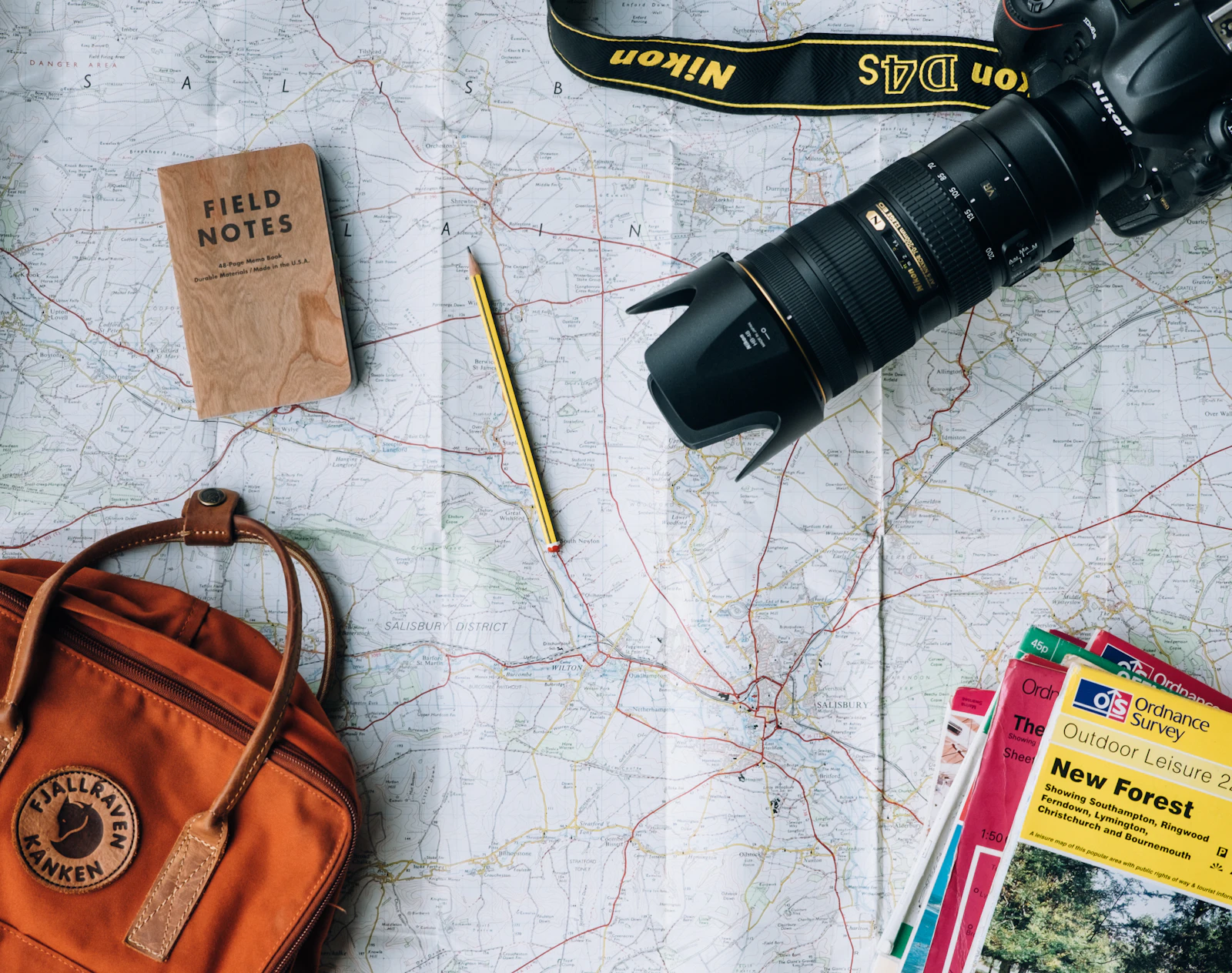
Flagship phones: iPhone 17 Pro Max (1-inch sensor), Galaxy S26 Ultra (10x zoom), Google Pixel 11 Pro (unbeatable AI). Light mirrorless: Sony A7C II (513g), Fuji X-T5 (557g). DJI Pocket 3 for video (179g).
Composition rules
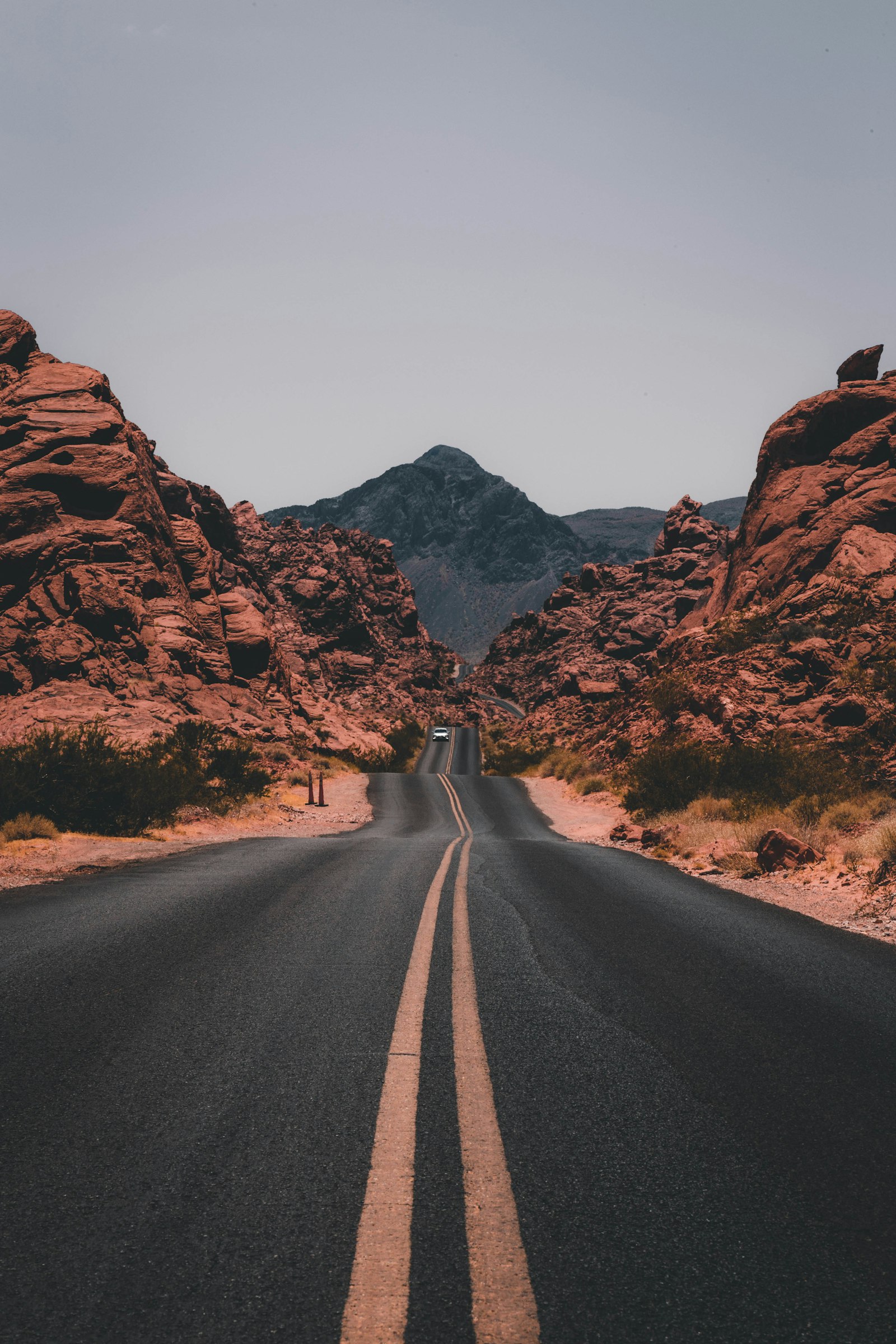
Rule of thirds. Leading lines (roads, rivers, bridges). Foreground + background for depth. Golden hour: 1h after sunrise / before sunset. Blue hour: 30 min after sunset.
AI-powered post-production in 2026
Adobe Lightroom Mobile + Generative Remove. Photoshop Mobile: Generative Expand. Snapseed (free). DxO PureRAW 5 (AI denoising). Topaz Photo AI: 4x upscale.
Secure storage on the road
Phone → iCloud+ (2TB, $9.99/month) or Google One (2TB, $9.99/month). External SSD Samsung T7 (1TB, $95). Auto backup via Apple Photos / Google Photos on Wi-Fi.
FAQ
Phone or mirrorless on the road?
Phone for 95% of cases. Mirrorless if publishing professionally or shooting very low light.
How to avoid losing photos?
Triple backup: device + auto cloud + external SSD synced nightly.
Can I use generative AI in travel photos?
Yes for editing (tourist removal, sky), but disclose for artistic publication.