The Most Beautiful Beaches on Earth in 2026
From Maundays Bay to Anse Source d'Argent — a 2026 guide to the world's most beautiful beaches, with seasons, access and quieter alternatives.
The Most Beautiful Beaches on Earth in 2026
A beach earns the word “beautiful” on three counts: sand quality, water clarity, and the absence of concrete behind it. Here are ten that score on all three in 2026. Whether you are planning a tropical getaway or a coastal road trip, these stretches of sand promise unforgettable moments.
Caribbean and tropical Atlantic
- Maundays Bay (Anguilla) — powder-soft white sand, turquoise water so clear you can see your toes at chest depth. Off the cruise circuit entirely, Anguilla remains one of the most peaceful beach destinations in the Caribbean. Access is via private flight or ferry from Saint-Martin, which keeps visitor numbers naturally low.
- Pink Sand Beach (Harbour Island, Bahamas) — crushed red coral gives the sand its signature blush hue. Water-taxi access from Eleuthera makes it feel exclusive. The calm shallow waters are perfect for swimming and paddleboarding.
- Praia do Espelho (Bahia, Brazil) — ochre cliffs frame this stunning beach, with tide pools revealed at low water that create natural swimming pools. The beach sits within a protected environmental area, ensuring its pristine condition.
Indian Ocean
- Anse Source d’Argent (La Digue, Seychelles) — sculpted granite boulders frame the most photographed beach in the Indian Ocean. Easy by bike (La Digue is car-free), the shallow turquoise lagoon is perfect for snorkelling. May and October offer the best conditions with calm seas and visibility over 25 metres.
- Radhanagar Beach (Andaman Islands, India) — legendary sunsets paint the sky in shades of orange and purple. Flights from Chennai connect to Port Blair, followed by a ferry to Havelock Island. The beach was voted Asia’s best by Time magazine and remains relatively undeveloped.
- Bora Bora (French Polynesia) — iconic overwater bungalows, Mount Otemanu backdrop, and a lagoon in every shade of blue imaginable. The coral gardens are among the healthiest in the Pacific, though 2026 visitors should note the new eco-tax funding reef restoration.
Pacific
- Hidden Beach (Marieta Islands, Mexico) — a sinkhole beach accessible only by swimming through a short tunnel. The daily visitor cap (limited to 100 people in 2026) ensures the experience remains intimate. Located off the coast of Puerto Vallarta, it was created by volcanic activity and later military testing.
- Whitehaven Beach (Whitsundays, Australia) — 98% pure silica sand that stays cool even under the midday sun. Access by boat from Airlie Beach or Hamilton Island. The swirling sands of Hill Inlet at the northern end shift with the tides, creating a natural masterpiece.
Mediterranean and Europe
- Cala Goloritzé (Sardinia, Italy) — a one-hour hike through Mediterranean scrub rewards you with a pebble beach flanked by a dramatic limestone arch. Swimming is closed after 4 pm to protect the marine environment. This beach is part of the Gulf of Orosei, one of Sardinia’s most pristine coastal areas.
- Praia da Marinha (Algarve, Portugal) — iconic limestone arches and sea stacks rise from crystal-clear water. The beach is accessible via a wooden staircase from the clifftop car park. The surrounding cliffs are home to nesting seabirds, making it a favourite for nature photographers.
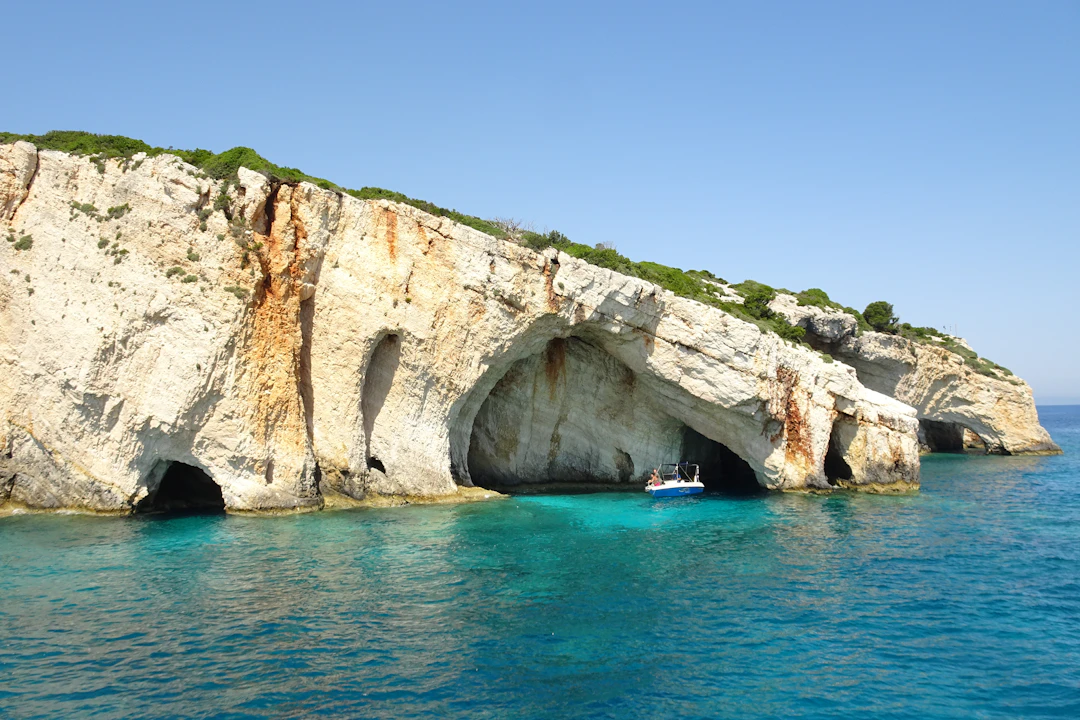
- Navagio (Zakynthos, Greece) — the famous shipwreck beach, accessible only by boat since land access was closed in 2022. The rusting smuggler’s ship contrasts with the brilliant white sand and azure water. Swimming is restricted, but the photographic opportunities from the clifftop viewing platform are unmatched.
When to go in 2026
- Caribbean: December–April, out of cyclone season. January and February offer the most reliable sunshine.
- Seychelles: May and October, between trade winds. These shoulder months offer calm seas and empty beaches.
- Sardinia: June and September, warm sea without the August crowds. July and August see beach umbrellas packed tightly.
- Whitsundays: August–October, dry season with cooler temperatures and minimal stingers.
- Brazil: September–October, spring weather with warm water and fewer tourists.
A perfect beach at 11 am in high season is never perfect. Get there at 6.
Protecting what you came to see
Reef-safe mineral sunscreen is mandatory in Mexico, Palau, and Hawaii in 2026. Walk barefoot, take no shells, leave nothing but footprints. Carry out every wrapper — even fruit peels can take months to decompose in marine environments. For more eco-conscious travel tips, see our ecotourism and sustainable travel guide. You might also enjoy our slow travel experiences feature for deeper coastal journeys.
Pack a microfiber travel towel (€12.90) — it dries 3x faster than cotton, takes minimal space in your bag, and sand shakes off effortlessly. A collapsible silicone water bottle (€13.90) folds flat when empty and eliminates single-use plastic bottles, keeping both you and the ocean healthier. For more packing advice, read our ultimate packing checklist 2026.
For more beach inspiration, visit the World Beach Guide or check Lonely Planet’s best beaches.
You might also like
New products coming soon.
![Autumn 2026 Meteor Shower Calendar: The 5 Must-See Nights + Where to Walk [Dates & Dark Sky]](https://images.unsplash.com/photo-1464802686167-b939a6910659?w=1080&q=75&auto=format&fit=crop&fm=webp "Autumn 2026 Meteor Shower Calendar: The 5 Must-See Nights + Where to Walk [Dates & Dark Sky]")