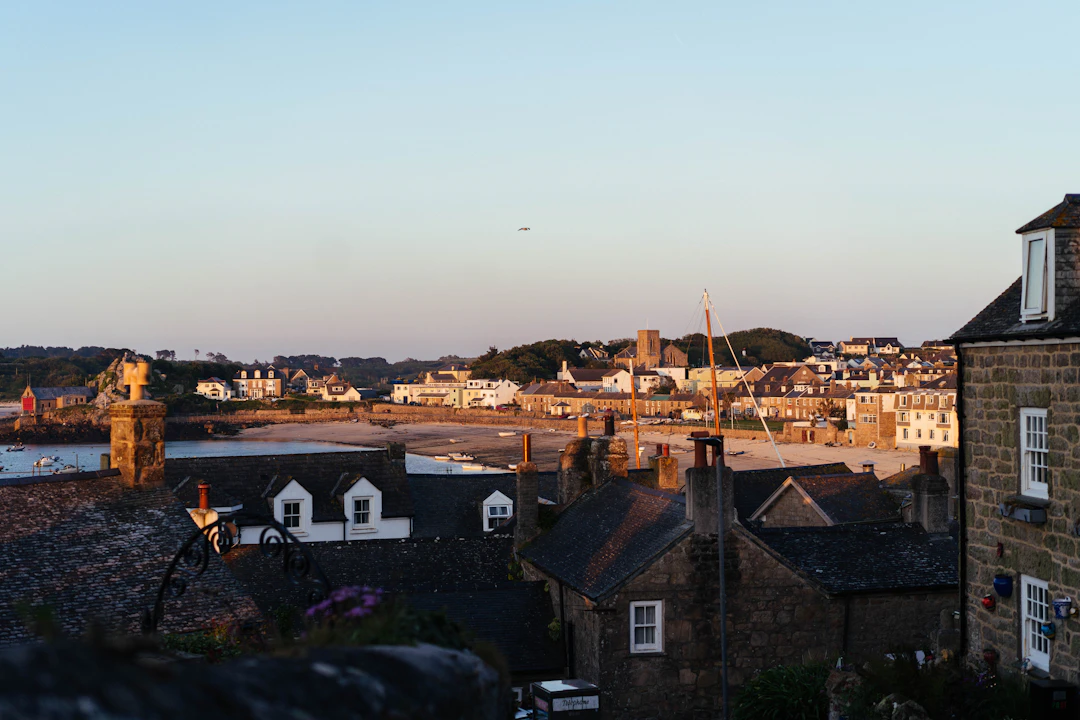
Galápagos 2026: Ecuador Just Made the Islands Cheaper — and Quieter
Ecuador cut tourism VAT from 15% to 8% and removed aviation fuel surcharges in August 2026, making Galápagos travel cheaper than it has been in years. The islands manage demand with regulated trails, visitor cards and guided walks — here are the numbers, the rules and the quiet itineraries.
Key takeaways
- The August 2026 news: Ecuador's new tourism finance law cuts VAT on tourism services from 15% to 8% and removes aviation fuel surcharges, lowering the cost of flights to Quito and the Galápagos for the first time in years.
- The numbers behind the move: Ecuador welcomed about 1.42 million visitors in 2023, the Galápagos receive roughly 200,000 visitors a year, foreign arrivals jumped 168% in 2022, and authorities project about 2.8 million arrivals by 2026.
- The Galápagos already manage demand the way Venice and Barcelona are learning to: visitor cards, park fees, regulated visitor sites, certified guides and strict trail rules keep the islands quiet and the wildlife undisturbed.
- Quiet travel in the Galápagos means choosing the calmer windows — June to September and December to February — and the quieter islands, where Isabela and Fernandina replace Santa Cruz's main harbor crowds with empty trails.
- The silent walks of the islands are its greatest luxury: early-morning tortoise reserves, marine iguana beaches and blue-footed booby colonies, visited on foot, at a distance, at dawn.
Quick Answer
Ecuador made the Galápagos cheaper in the first week of August 2026, and the timing is no accident: the country’s new tourism finance law cuts VAT on tourism services from 15% to 8% and removes aviation fuel surcharges, lowering the cost of flights to Quito and the islands for the first time in years. The Galápagos receive roughly 200,000 visitors a year — a number the National Park manages with visitor cards, fees, rotating site closures and certified guides. Foreign arrivals jumped 168% in 2022, Ecuador welcomed about 1.42 million visitors in 2023, and authorities project 2.8 million by 2026. The islands are preparing for growth the way Venice and Barcelona are learning to: with rules that keep the crowds out and the wildlife undisturbed. Here is how to visit quietly, with the numbers, the seasons and the silent walks.
The August 2026 News: Ecuador Just Made the Galápagos Cheaper
The news landed on August 4-5, 2026: Ecuador enacted a tourism finance reform that cuts the VAT on tourism services from 15% to 8% and eliminates aviation fuel surcharges on flights, including the routes to Quito and the Galápagos. A further temporary reduction applied around the August 10 national holiday. For travelers, the arithmetic is simple: cheaper airfares, cheaper hotels, cheaper tours — the islands have not been this accessible in years.
That is good news for quiet travelers too, because the Galápagos were built for slow, regulated visits. This is one of the few places on Earth where demand management is the founding idea, not an emergency measure. The islands are a living laboratory for the de-tourism movement — proof that a destination can welcome more visitors without surrendering its silence.
The Numbers Behind the News
The reform is a bet on growth, and the numbers explain why:
- ~1.42 million international visitors arrived in Ecuador in 2023, recovering strongly from the pandemic years.
- ~200,000 visitors a year reach the Galápagos — a deliberately managed figure.
- +168% jump in foreign arrivals in 2022, the sharpest recovery signal on record for the islands.
- ~2.8 million arrivals projected for Ecuador by 2026, according to optimistic growth scenarios.
- ~US$922 million in tourism revenue projected for 2025, with tourism at roughly 2.9% of GDP.
The Galápagos are the crown jewel of that economy: a national park where the wildlife decides the pace, and where every path is a wildlife experience — giant tortoises on the highlands, marine iguanas on the lava, blue-footed boobies on the cliffs. The question the reform raises is the one every growing destination faces: how do you add visitors without losing the quiet that made the place worth visiting?
How the Islands Manage Demand
The Galápagos National Park has an answer, and it is the strictest in the Americas:
- Visitor cards and park fees are required for every traveler, funding conservation directly.
- Certified guides accompany every group; there is no self-guided wandering on the islands.
- Visitor sites rotate: only a fraction of the archipelago’s sites are open at any time, and each closes periodically so wildlife can recover.
- Trail rules are absolute: stay on the path, keep distance, touch nothing, take nothing, leave nothing.
The result is that the Galápagos are crowded in a handful of harbors and empty on the trails. Santa Cruz concentrates the boats, hotels and day tours; the reserves and coves around it are quiet by design. The same logic that protects the tortoise protects your walk: the Silence Index 2026 ranks the quietest destinations on Earth, and the Galápagos earn their place not by being unknown, but by being regulated.
The Quiet Season and the Quiet Islands
Timing is everything in the Galápagos, and the quiet traveler has three levers:
- The season: June to September and December to February bring the calmest seas, smaller boats and smoother landings. The shoulder windows — late May, November — combine good weather with thinner crowds.
- The islands: Isabela and Fernandina are the quietest of the accessible islands. Isabela’s highlands hold tortoise reserves you can walk in near-silence; Fernandina, uninhabited, offers marine iguana beaches with no one else on the sand. Santa Cruz and San Cristóbal do the heavy lifting for tourism; the others keep the silence.
- The hours: visitor sites open early, and the first groups of the morning have the sites to themselves. The dawn walk is the Galápagos at its best — and the islands reward the early riser the same way the rest of the world’s quiet places do.
If you plan the itinerary around these three levers, the Galápagos deliver something increasingly rare: a famous destination that still feels discovered.
The Silent Walks of the Galápagos
The islands are best experienced on foot, at a slow pace, with a certified guide and no hurry — the purest expression of slow travel there is:
- The tortoise reserves of Santa Cruz and Isabela: giant tortoises crossing the trail in silence, the only sound their slow footsteps on the volcanic soil.
- The marine iguana beaches: black lava, black iguanas, no crowd — just the hiss of the sea and the exhale of basking reptiles.
- The booby colonies: blue-footed boobies performing their courtship dance on the cliffs, visible from a respectful distance.
- The cormorant trails of Fernandina: flightless cormorants on rocks that see more iguanas than humans.
None of this requires noise, speed or crowds — which is exactly why the Galápagos fit a digital detox itinerary better than almost any destination on Earth. The islands teach you to watch, wait and walk quietly; the wildlife does the rest.
Packing for a Quiet Galápagos
The packing list follows the same philosophy: light, quiet, respectful.
A foldable travel daypack carries your water and camera through the reserves, lightweight walking sandals handle the lava trails and wet landings, and a collapsible water bottle keeps you hydrated through the long walks. Noise-cancelling earplugs guarantee the quiet night between island days, and an RFID-blocking travel wallet keeps your visitor documents safe through the harbor crowds you will soon leave behind.
FAQ
Why did Galápagos travel just get cheaper in 2026?
Because of Ecuador’s new tourism finance law, enacted in early August 2026: VAT on tourism services dropped from 15% to 8%, and aviation fuel surcharges were removed. That directly lowers the cost of flights to Quito and the Galápagos, as well as lodging and guided tours — for many travelers, the islands are now within reach for the first time.
How many visitors does the Galápagos allow each year?
The Galápagos National Park receives roughly 200,000 visitors a year — a deliberate number. Demand is managed through entry requirements, park fees, visitor cards and a rotation system: only a limited number of visitor sites are open at any time, and every site closes periodically so the wildlife can recover. The 168% surge in foreign arrivals recorded in 2022 is exactly why the system matters.
Which Galápagos islands are the quietest?
Isabela and Fernandina are the quietest of the inhabited and visited islands. Santa Cruz and San Cristóbal concentrate the harbors, hotels and day tours, while Isabela’s highlands hold tortoise reserves you can walk through in near-silence, and Fernandina — uninhabited — is the place for marine iguanas and flightless cormorants with nobody else on the trail.
When is the best time to visit the Galápagos for quiet travel?
June to September and December to February offer the calmest seas, which means smaller boats, easier landings and smoother walks. Shoulder windows — late May and November — combine good weather with fewer visitors, and midweek visits to the main sites are noticeably quieter than weekends. The park’s own rhythm is the best guide: mornings at the sites are always calmer than afternoons.
How do you walk quietly with Galápagos wildlife?
The same way the rangers ask you to: stay on the marked trails, keep at least two meters from every animal, never feed or touch anything, leave no trace, and walk slowly enough that the animals never notice you. Certified guides set the pace on every visitor site, and the early hours — when the iguanas warm up on the lava and the boobies dance — are when the islands are at their most peaceful.
You might also like
New products coming soon.


![Autumn 2026 Meteor Shower Calendar: The 5 Must-See Nights + Where to Walk [Dates & Dark Sky]](https://images.unsplash.com/photo-1464802686167-b939a6910659?w=1080&q=75&auto=format&fit=crop&fm=webp "Autumn 2026 Meteor Shower Calendar: The 5 Must-See Nights + Where to Walk [Dates & Dark Sky]")