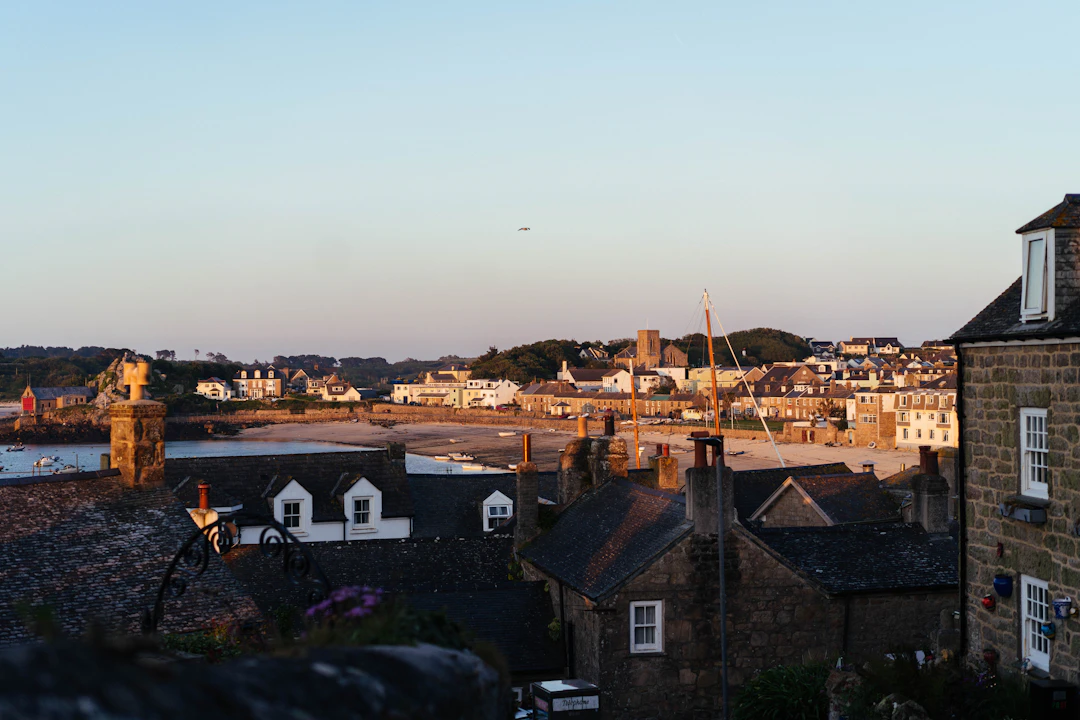
Best Spring Flower Festivals in the World for 2026
Discover the best spring flower festivals in the world for 2026. Explore quiet botanical wonders, crowd-free morning trails, and serene natural blooms.
The Best Spring Flower Festivals in the World to Explore in 2026
Stepping into a vibrant botanical landscape as the winter frost recedes is one of the most restorative experiences available to the modern traveler. As climate shifts alter traditional bloom timelines, seeking out the best spring flower festivals in the world requires both careful timing and an appreciation for quiet, crowd-free environments. Whether you are searching for bucket list 2026 adventures or peaceful places off the beaten path, spring offers an extraordinary palette of colors that awaken the senses. In this comprehensive guide, we examine the most serene, visually stunning, and culturally rich floral gatherings across the globe, focusing on experiences that value tranquility over tourist congestion. From historic Japanese cherry blossom pathways to lesser-known European garden exhibitions, these celebrations provide a profound connection to nature. By prioritizing slow travel, early morning visits, and sustainable exploration, you can experience these natural wonders while preserving their delicate ecosystems for generations to come.
Why noctourism is reshaping how travelers experience spring flora in 2026
Noctourism has rapidly emerged as a defining travel trend, transforming how visitors interact with the natural world after dark. Instead of daytime crowds competing for the same photographic angles, travelers are increasingly exploring illuminated gardens, moonlit arboretums, and nighttime floral displays. This shift not only reduces daytime pressure on fragile ecosystems but also offers an entirely different sensory perspective on blooms like night-scented stock, evening primrose, and illuminated cherry trees. In locations such as Tokyo’s Shinjuku Gyoen or the historic gardens of Kyoto, evening illuminations known as yozakura allow visitors to experience blossoms under the gentle glow of lanterns. This mindful approach aligns perfectly with the principles of slow travel and the growing desire for crowd-free, contemplative journeys. By embracing nocturnal exploration, solo travelers and couples can bypass the midday rush, enjoying a cooler, more serene atmosphere where the subtle fragrances of spring flowers become much more pronounced in the evening air. To make the most of noctourism events, always check local municipal permits, as night access to botanical reserves often requires timed-entry reservations managed through official digital portals like the Japan National Tourism Organization.
Related read: Travel Insurance Explained Simply.
✨ True floral appreciation requires slowing down, stepping away from the tour buses, and letting the quiet natural world unfold around you.
Essential planning checklist for attending global botanical celebrations
Navigating international floral events successfully requires a systematic approach to logistics, timing, and local transit. Because peak bloom windows are notoriously fickle and heavily dependent on seasonal temperatures, flexibility is your greatest asset. According to ecological research published regarding seasonal shifts, shifting thermal thresholds continue to advance spring onset across major protected areas, making real-time tracking essential for accurate travel dates (Climate change is advancing spring onset, doi:10.1002/ecs2.1465). To ensure your journey goes smoothly, consult this detailed operational checklist designed for independent explorers:
Related read: The Ultimate Digital Nomad Starter Kit: Your 2026 Guide to….
- Monitor official horticultural tracking services and university agricultural extensions at least six weeks prior to departure.
- Book accommodations in nearby residential neighborhoods or smaller villages rather than direct city centers to avoid inflated rates.
- Purchase digital entry passes in advance to bypass long morning ticket queues at popular municipal gardens.
- Pack lightweight, weather-resistant layers, as spring mountain and coastal microclimates can shift rapidly within hours.
- Download offline topographic and transit maps, particularly when visiting rural agricultural valleys with limited cellular reception.
- Schedule your site entries for the earliest possible opening slot to experience the grounds in total silence.
- Respect all barrier ropes and designated walking paths to protect delicate bulb shoots and root systems from compaction.
- Carry a reusable water bottle and a small waste bag, as rural festival grounds often lack commercial trash receptacles.
💡 Pro tip: Always aim to arrive at major garden gates thirty minutes before official opening hours; the first twenty minutes after the gates unlock offer unmatched tranquility and the softest morning light for photography.
Comparing global spring floral destinations by crowd density and budget
📖 See also: Antibes Travel Guide
Choosing the right destination involves balancing your desire for stunning scenery with your tolerance for crowds and financial investment. While mega-festivals in capital cities offer grand scale, they often come with premium prices and overwhelming visitor numbers. Conversely, regional celebrations provide intimate encounters with local horticulture at a fraction of the cost. The following comparison table highlights key metrics across four distinct spring garden destinations, helping you align your next journey with your personal travel style and budget requirements.
| Destination & Event | Average Daily Cost (USD) | Peak Crowd Density | Best Time to Visit | Primary Botanical Highlight | Accessibility Rating |
|---|---|---|---|---|---|
| Keukenhof Gardens, Netherlands | $120 – $180 | Extremely High | Mid-April | Tulips, Hyacinths, Daffodils | Excellent (Train & Bus) |
| Hitachi Seaside Park, Japan | $90 – $140 | Moderate to High | Late April | Nemophila (Baby Blue Eyes) | Good (Express Train) |
| Skagit Valley Tulip Festival, USA | $110 – $160 | Moderate | Mid-April | Working Tulip Fields | Moderate (Car Required) |
| Parque El Rosedal, Argentina | $70 – $110 | Low to Moderate | November (Southern Spring) | Heritage Roses | Good (Urban Transit) |
This breakdown illustrates that a lower budget does not mean sacrificing visual splendor; regional events often offer more genuine cultural interactions with local growers and artisans who are eager to share the history of their craft.
Common mistakes and misconceptions when visiting spring flower events

Even experienced travelers frequently fall into predictable traps when planning horticultural trips. One of the most common misconceptions is assuming that peak bloom dates remain fixed from year to year. In reality, unseasonal warmth or late frosts can shift peak displays by up to two weeks, completely altering a rigid travel itinerary. Another frequent error is relying entirely on social media geotags, which often direct visitors to overcrowded commercial farms while ignoring pristine public parks located just a few miles away. Furthermore, failing to account for local holiday weekends can result in fully booked trains and inflated lodging costs. To prevent these pitfalls, always maintain a flexible buffer in your schedule, keep secondary backup locations in mind, and consult peer-reviewed horticultural repositories or official municipal environmental sites such as the Royal Horticultural Society for verified bloom updates rather than commercial travel blogs.
⚠️ Heads up: Never step off designated gravel paths into flower beds for photographs; doing so damages bulbs, compacts the soil, and violates conservation rules enforced by botanical wardens worldwide.
Financial planning and budget strategies for spring botanical travel
📖 See also: Bordeaux Travel Guide
Visiting world-class floral exhibitions does not require an extravagant budget if you apply deliberate cost-control measures. On average, a five-day spring botanical trip to regional Europe or North America can range between $600 and $1,200 per person, depending on accommodation choices. To minimize expenses, consider utilizing regional rail passes instead of renting cars, and opt for guesthouses or family-run inns that include breakfast in their nightly rates. Planning your visits during shoulder weeks—just before or just after the absolute peak tourist weekend—can reduce lodging prices by up to thirty-five percent while still offering exceptional viewing conditions. Additionally, many botanical institutions offer discounted late-afternoon tickets or free admission days during weekday mornings. By combining strategic timing with local public transport, you can enjoy world-class natural beauty without straining your financial resources during the 2026 travel season.
Step-by-step solo journey itinerary: A serene weekend among the blossoms
For solo travelers seeking a restorative, crowd-free escape, structured yet flexible planning is essential. Here is a curated 48-hour itinerary designed to maximize peace and minimize friction:
- Day 1: Arrival and Evening Stroll
- 14:00 – Check into a quiet guesthouse located within walking distance of a municipal arboretum.
- 16:30 – Take a slow, exploratory walk through the peripheral woodland trails to acclimate to the local flora.
- 19:00 – Dine at a local family-run café featuring seasonal root vegetables and herbal infusions.
- Day 2: Dawn Immersion and Nocturnal Reflection
- 06:00 – Enter the primary botanical gardens at opening time to experience the morning mist on the petals.
- 11:00 – Visit a local artisan market showcasing botanical crafts and botanical-infused teas.
- 15:00 – Relax in a shaded park bench with a journal or a book, engaging in slow travel introspection.
- 20:00 – Participate in a guided evening garden tour focusing on night-blooming species and nocturnal pollinators.
📍 Local insight: Chat with the groundskeepers or greenhouse volunteers during your morning walk; they often know secret, lesser-visited corners of the estate that never appear on standard tourist maps.
Ecological research, climate indicators, and academic insights

Understanding the broader context of global spring phenomena requires looking beyond aesthetic appeal into ecological science. Academic literature highlights that cultural ecosystem services provided by flowering trees play a vital role in human psychological well-being and urban environmental connection (Cultural ecosystem services provided by flowering trees, doi:10.1007/s00484-019-01719-9). Furthermore, interactive technological installations—such as those studied at international music and arts exhibitions—demonstrate how sensory engagement with flora can deepen our appreciation for environmental conservation (CoBoard flowers installation, doi:10.1109/coginfocom.2016.7804536). When we visit these sites with mindfulness and scientific awareness, travel transcends mere sightseeing and becomes an act of ecological respect and personal restoration.
Practical operational breakdown for international garden explorers
📖 See also: Aix-en-Provence Travel Guide
To ensure your logistical execution is seamless, consider the following detailed breakdown of operational factors when visiting major horticultural exhibitions across different continents:
- Ticketing Protocols: Always secure timed-entry vouchers online to avoid being turned away at peak morning hours.
- Transit Integration: Purchase integrated regional transport cards that cover both trains and local shuttle buses to garden gates.
- Gear Selection: Wear broken-in, waterproof walking shoes; garden paths can quickly turn muddy after overnight spring showers.
- Photography Etiquette: Respect tripod restrictions in narrow glasshouses and always yield right-of-way to elderly or disabled visitors.
- Hydration and Sustenance: Carry light snacks and a thermos, as food kiosks inside major festival perimeters often experience long queues during midday hours.
- Language Preparation: Download offline translation packages for regional dialects, particularly when navigating rural agricultural train stations.
- Weather Contingencies: Maintain a flexible itinerary with indoor conservatory alternatives designated for unexpected rainy afternoons.
- Souvenir Sourcing: Purchase seeds or bulbs only from certified vendors with proper agricultural export documentation to comply with international customs regulations.
Editor’s verdict
The best spring flower festivals in the world offer a rare antidote to modern sensory overload, provided you visit with intention, patience, and respect for local ecosystems. Prioritize shoulder seasons, embrace early morning hours, and always choose quiet paths over crowded tourist hubs for a truly transformative journey.
📝 Editor’s note
This guide was independently researched by our editorial team to help you navigate the world’s most serene botanical celebrations. We never accept paid placements or sponsored listings.
Plan your serene spring journey with GlobalSilentWalks
As you prepare for your upcoming travels, remember that the most memorable adventures are often those taken at a gentle, unhurried pace. Whether you are seeking hidden botanical gardens, peaceful walking routes, or mindful travel inspiration, our editorial hub is designed to guide you toward more meaningful, crowd-free explorations. Explore our curated guides, connect with fellow slow-travel enthusiasts, and start planning your next restorative escape today.
Sources consulted: UN Tourism (UNWTO) (global tourism trends and standards).
- How many festivals are there in spring season worldwide?
- There are hundreds of registered agricultural, botanical, and cultural festivals spanning across Europe, Asia, and the Americas during the spring months, ranging from massive national gatherings to hyper-local village celebrations.
- Why is a spring festival celebrated across different cultures?
- Spring festivals historically mark the agricultural awakening, honoring the end of harsh winters, soil preparation, and the rebirth of plant life essential for sustenance and community renewal.
- Why choose festivals spring over other travel seasons?
- Spring travel offers milder weather, fewer crowds than peak summer, and a unique opportunity to witness vibrant ecological transformations before the intense heat of the year settles in.
- How to find festivals spring on a budget?
- Look for municipal botanical gardens, community-run university arboretums, and smaller regional towns rather than capital-city mega-events, which often feature free public access and lower accommodation costs.
- When is the best time for festivals spring planning?
- Planning should ideally begin 4 to 6 months in advance, especially for accommodation near high-demand natural phenomena where peak bloom windows last only two to three weeks.
Plan Your Trip & Start Walking
Ready to slow down in Best Spring Flower Festivals in the World for 2026? Bookmark this guide, pick the silent walk that calls to you, and let the city reveal itself one quiet step at a time.
You might also like
New products coming soon.
![Autumn 2026 Meteor Shower Calendar: The 5 Must-See Nights + Where to Walk [Dates & Dark Sky]](https://images.unsplash.com/photo-1464802686167-b939a6910659?w=1080&q=75&auto=format&fit=crop&fm=webp "Autumn 2026 Meteor Shower Calendar: The 5 Must-See Nights + Where to Walk [Dates & Dark Sky]")