Toulon 2026: Slow Travel Guide to Silent Walks & Hidden Gems
Get ready to immerse yourself in Toulon's slow travel scene in 2026. Our guide reveals the best silent walks, hidden gems, and serene views to transform your…
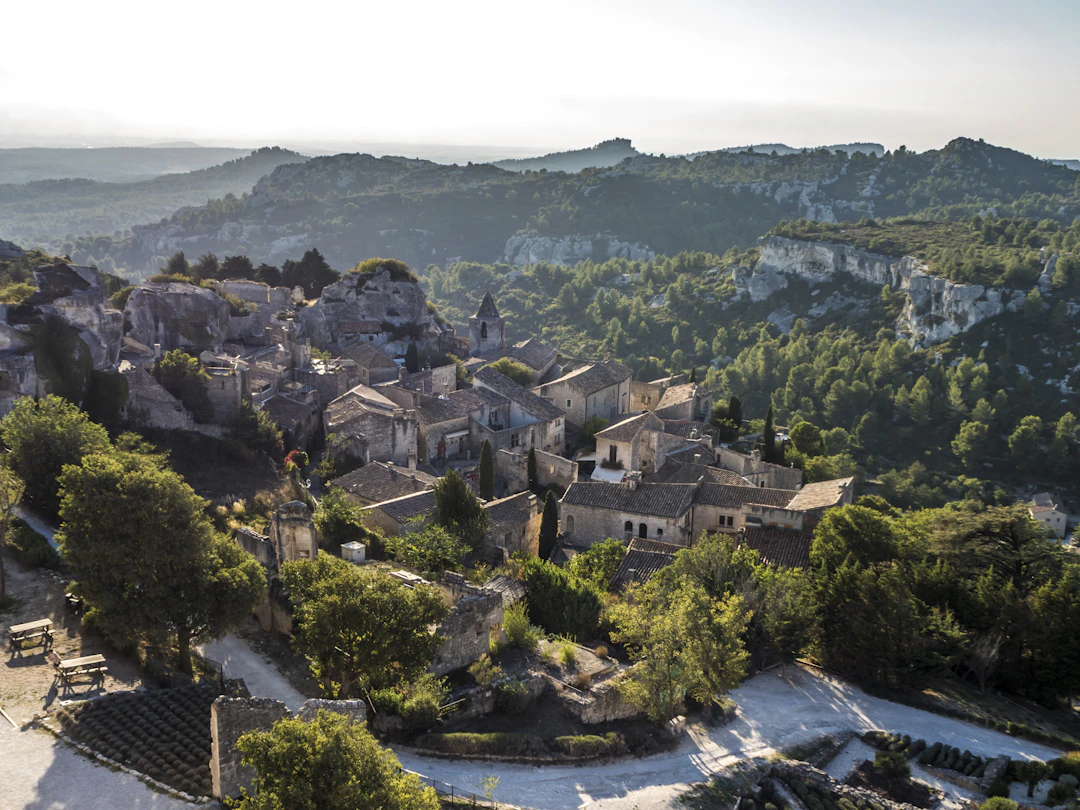
Toulon, France’s great Mediterranean naval port, pairs a working harbor and historic old town with dramatic coastal walking paths through the Provençal hills — a quieter, more affordable alternative to the Riviera’s busier resorts.
Introduction to Toulon: The Mediterranean’s Working Port
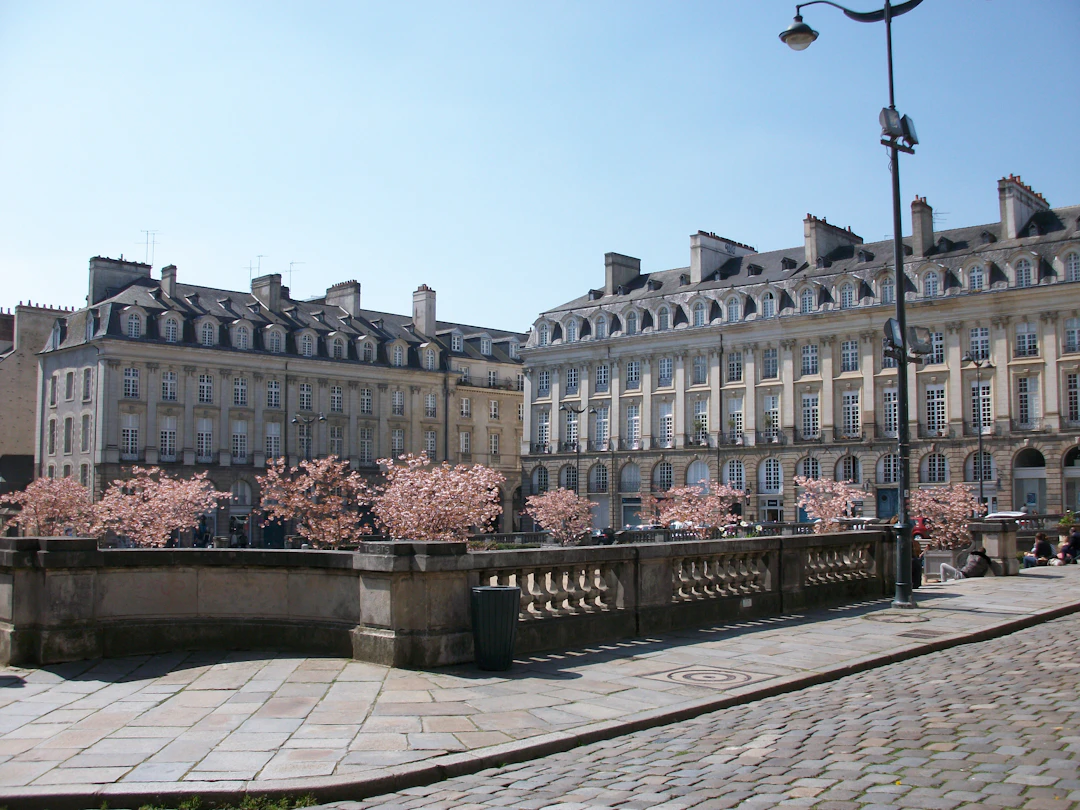
Toulon is easy to overlook on a first pass through the French Riviera, wedged between the glamour of Saint-Tropez and the polish of Nice. That is exactly its advantage for the slow traveler. This is a real, working naval city — home to France’s largest military port — wrapped in an atmospheric old town of narrow lanes, fountains, and fish markets, and backed by Mont Faron, a limestone massif that rises directly from the harbor. For silent walkers, Toulon offers a rare combination: genuine Provençal streets that feel lived-in rather than curated, and coastal and mountain trails within a short walk of the city center.
Why Toulon in 2026? Coast and Mountain in One City
Few Mediterranean cities let you walk from a bustling harbor market to a near-wilderness mountain summit in under an hour, but Toulon does exactly that. The Mont Faron cable car (Téléphérique) climbs to 584 meters in minutes, opening onto quiet forest trails and panoramic views over the Rade de Toulon, one of the finest natural harbors in Europe. Back at sea level, the pedestrianized old town (Le Pont du Las and the Cours Lafayette market district) rewards slow, unhurried wandering, while the Mourillon and Cap Brun coastal paths offer genuine solitude just outside the city center — a rarity on the increasingly crowded Côte d’Azur.
Top Silent Walks and Sights in Toulon
- Mont Faron and its forest trails: Take the cable car up, then walk the quiet ridge paths with sweeping views over the harbor and the Îles d’Hyères.
- Cours Lafayette Market: A daily Provençal market — arrive early for a peaceful browse before the midday crowds.
- Toulon Old Town (Le Pont du Las): Narrow lanes, fountains, and pastel facades, largely untouched by mass tourism.
- Cap Brun Coastal Path: A quiet cliffside trail with some of the best sea views on the Var coast.
- Toulon Naval Museum and Harbor Walk: Wander the port to watch the working navy vessels — a striking contrast to the resort towns nearby.
- Mourillon Beach and Fort Saint-Louis: A quieter beach with a 17th-century fort at its edge, ideal for an early morning walk.
- Toulon Cathedral (Sainte-Marie-Majeure): A modest, rarely crowded Romanesque-Gothic cathedral in the heart of the old town.
Where to Eat in Toulon
Toulon’s food scene reflects its Provençal and Mediterranean roots: fresh seafood along the port, socca (chickpea flatbread) from market stalls, and bouillabaisse in the old town’s family-run restaurants. The Cours Lafayette market is the best place to assemble a picnic of local cheese, olives, and produce for a quiet lunch on the Cap Brun cliffs. Compared to Nice or Saint-Tropez, Toulon’s restaurants are markedly more affordable, with excellent-value lunch menus around the old town.
Where to Stay in Toulon
- Old Town (Le Pont du Las): Central and walkable, close to the market and the harbor.
- Mourillon: A quieter, more residential beachfront district, good for travelers prioritizing the coastal paths.
- Near the port: Convenient for ferries to the Îles d’Hyères and views over the naval harbor.
Getting Around Toulon
Toulon’s old town and harbor are entirely walkable. The Mont Faron cable car provides quick access to the hiking trails above the city, and a well-run bus network (Réseau Mistral) covers the coastal districts efficiently. The train station connects easily to Marseille (under an hour) and Nice, making Toulon a practical, less-touristed base for exploring the Var coastline.
Budgeting for Toulon
Toulon is considerably more affordable than its Riviera neighbors. Budget accommodation runs €55–85/night, mid-range hotels €100–160/night, and a market-based lunch can cost under €15. Many of the best experiences — the Cap Brun coastal path, the old town markets, Mourillon beach — are free.
Best Time to Visit Toulon
Late spring and early autumn offer the best balance of warm Mediterranean weather and manageable crowds. Summer is hot and busier, particularly around the beaches, though the old town retains a local, unhurried feel even in peak season. Winter is mild by northern European standards and ideal for quiet coastal and Mont Faron walks with minimal crowds.
FAQ: Visiting Toulon
Q: How do I pronounce Toulon? A: Toulon is pronounced “too-lohn,” with the emphasis on the first syllable and a soft “o” sound.
Q: What are the best beaches in Toulon? A: Toulon has several beautiful beaches, including Mourillon Beach, Magaud Beach, and Cap Brun Beach, ranging from lively and well-equipped to secluded and quiet.
Q: Can I walk to Mont Faron from the city center? A: The cable car is the easiest way up, though hiking trails also connect from the city; the walk up is steep and best suited to experienced hikers.
Q: Are there vegetarian or vegan options in Toulon? A: Yes, an increasing number of restaurants offer plant-based options, particularly around the old town.
Q: How do I get to Toulon from Paris? A: The most convenient way is by train, taking approximately 3.5 hours from Paris Gare de Lyon to Toulon station, with frequent daily departures.
Plan Your Trip & Start Walking
As you conclude your journey through Toulon, remember that this city is not just a destination but an experience. It invites you to slow down, to breathe in the salty Mediterranean air, and to let the beauty of its landscapes and the warmth of its people touch your heart. For more silent walks and slow travel experiences around the world, visit GlobalSilentWalks.com.
Related from GlobalSilentWalks: discover our Bayonne guide
You might also like
New products coming soon.