Bordeaux After the Record Harvest: Villages, Garonne Walks, Stone Cellars
Agreste: under 34M hl (-6%), lowest since 1957. Bordeaux picked 15 days early. What to walk now: Saint-Emilion, Garonne banks, cellar architecture, markets.
Key takeaways
- 2026: France's earliest harvest on record, under 34M hl (-6% vs 2025), lowest since 1957 (Agreste/OIV).
- Bordeaux whites from mid-August, reds around Sept 5 — 15 days early; Alsace -6%, Jura -36%.
- Now: quiet villages, river walks, cellar architecture, markets, grape juice. Harvest story as landscape.
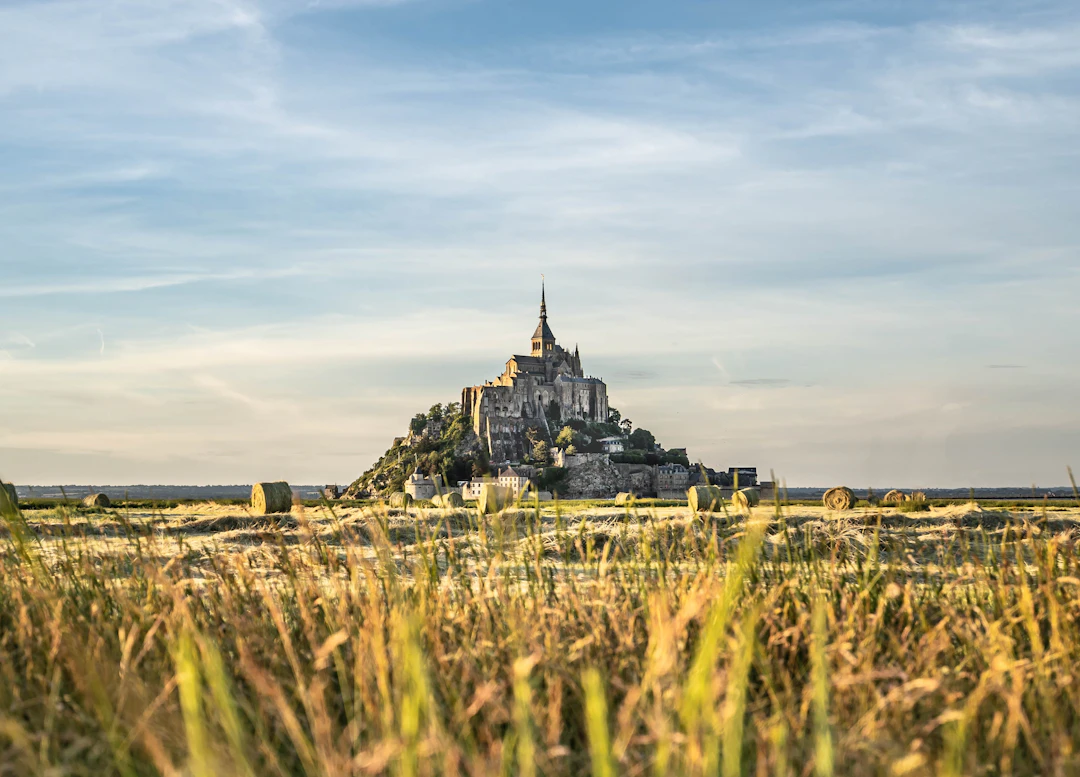
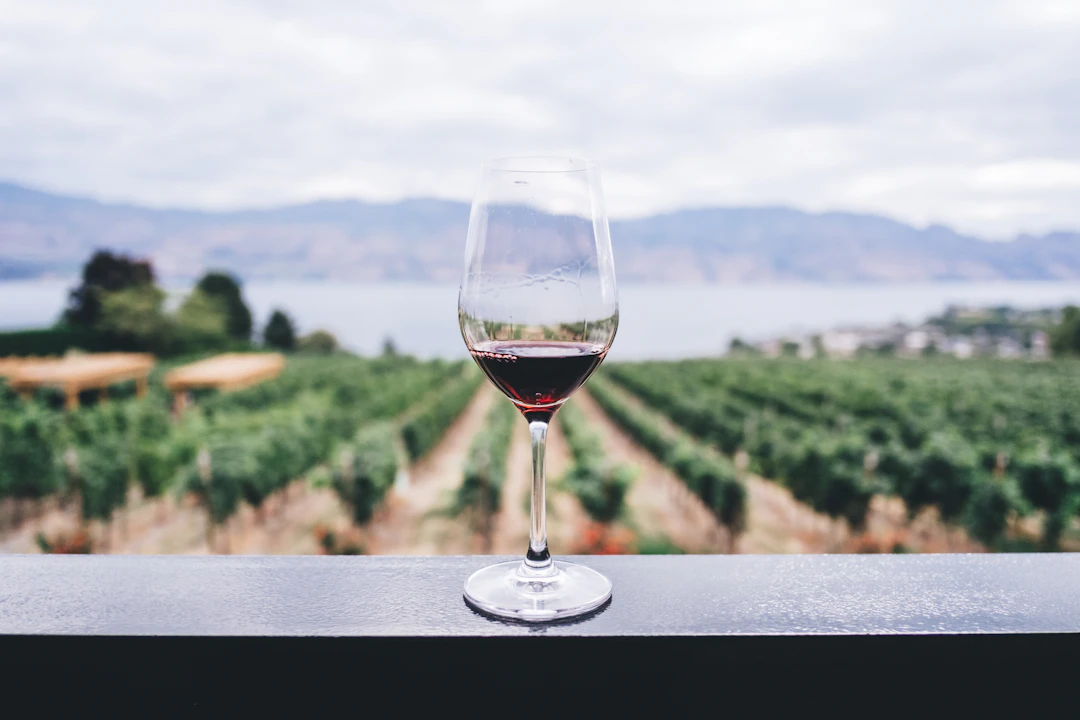
On September 19 the pickers are mostly gone from Bordeaux. Whites since mid-August, reds since around September 5, fifteen days early. What remains is the calmest vineyard month: golden rows, villages breathing again. And a climate story written in the landscape. Walk it.
From the field — Elena Marsh: Harvest data from Agreste via AFP (Sept 7), CIVB/Farges and Le Monde estate reporting (Aug). Landscape reading is ours; alcohol content is zero by house rule.
The record, in numbers
| Fact | 2026 | Source |
|---|---|---|
| National production | <34M hl, -6% vs 2025 | Agreste, Sept 1 |
| Historic rank | Lowest since 1957 | OIV stats |
| Bordeaux start | Crémant grapes early August, ~15 days early | CIVB/Farges, AFP |
| Bordeaux volume | +10% vs very low 2025, -5% area | Agreste |
| Alsace | -6% vs weak 2025, tiny drought berries | Agreste/DNA |
| Jura | -36% year-on-year | Agreste |
| Context | Parcels picked late-September in the 1990s now go late-August | Farges: “l’illustration du changement climatique” |
Farges’s line stays with you: September-1990s plots now picked in August. The rows around you are a climate graph you can walk. The mechanics matter too: heat spikes in June and a dry spell that ran from mid-July into August pushed photosynthesis forward. So sugars matured two weeks early. The paradox of a record-early year is that the quality is generally excellent where parcels had water. Morning-cooling near the rivers saved the best land. While drought-stressed plots stayed small and concentrated. What looks like one story nationally is really several regional ones.
discover our aix en provence guide · discover our aix les bains guide · discover our ajaccio guide
What to walk now (no alcohol, all landscape)
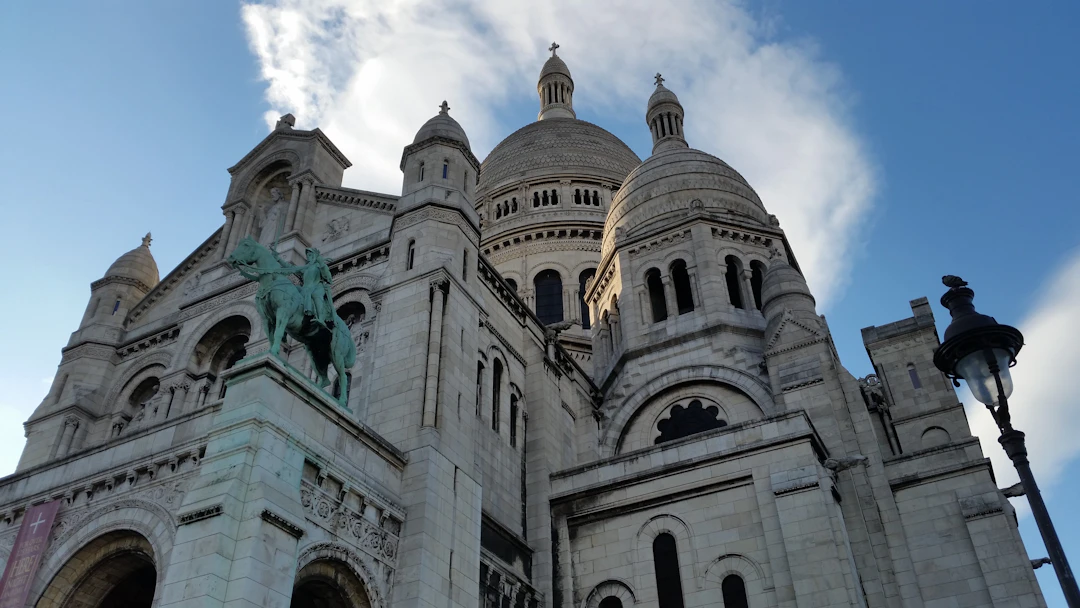
Saint-Émilion (45 min by train + walk). Limestone village, monolithic church bell tower climb for the panorama, ramparts at 8am before coaches. September light on golden stone is the region’s best photo — no cellar needed.
The bell tower climb deserves its fame: 196 steps up a spiral cut from the single rock, ending in a view over the tiled roofs and the rolling vines right at the moment when the low sun paints the whole Unesco village in amber. Then drop down through the underground quarries area (the troglodyte archaeology circuit) where the medieval cellars carved into rock tell the working story of the town. Mornings before the first coach at 10am are transformative. You share the cobbles with residents doing real errands, not visitors doing timed circles.
Margaux village + estuary road. Flat riverside paths, château gates as architecture (exteriors, park walls), village bakery mornings. Combine with the rail line back — no car required.
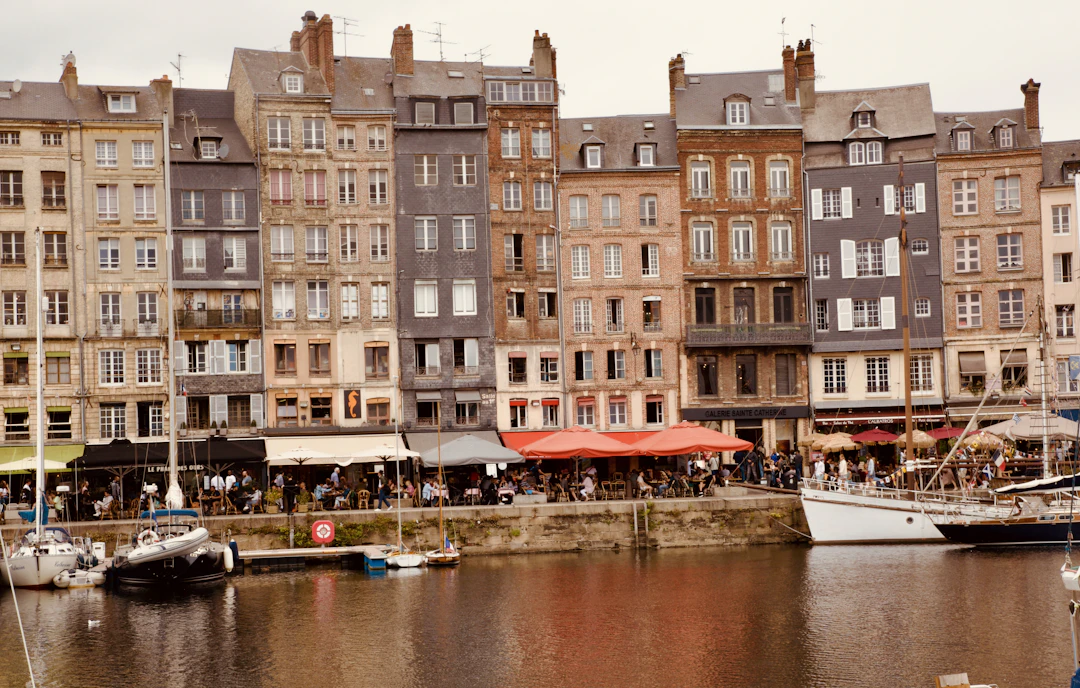
Bordeaux city: Garonne banks. Miroir d’eau at 8am, Chartrons warehouses (exteriors, galleries), Marché des Capucins tastings of… Oysters, cheese, juice, canelés. The September market is harvest-season produce at its peak.
Between the rivers (Entre-deux-Mers). Rolling green, abbeys (La Sauve-Majeure), bastide villages — the quiet Bordeaux tourists skip. Bike the Roger Lapébie greenway from the city.
Practical September
TGV Paris-Bordeaux 2h from ~€25 off-peak. TER web across the region. City tram day pass. Sleep: Chartrons or Saint-Pierre (old stone, quiet courts) over station noise. Eat: market lunches €8-12, canelés, grape juice at harvest stands. Our base: Bordeaux guide. Pair with Strasbourg harvest landscapes for the two-harvest autumn.
A note on the autumn rhythm: the real change of season hits in the first fortnight of October, when the leaf colour turns and the truffle and mushroom markets begin in the villages around Bergerac. If you can shift your visit a few weeks, you trade the last of the harvest energy for the fullest palette of the year. And the quiet stays quiet. Trains run year-round, prices drop after October 15. And the cellars-museum architecture circuit never closes. This is a landscape that rewards patience, and September is only the first good act.
The architecture circuit without a cellar
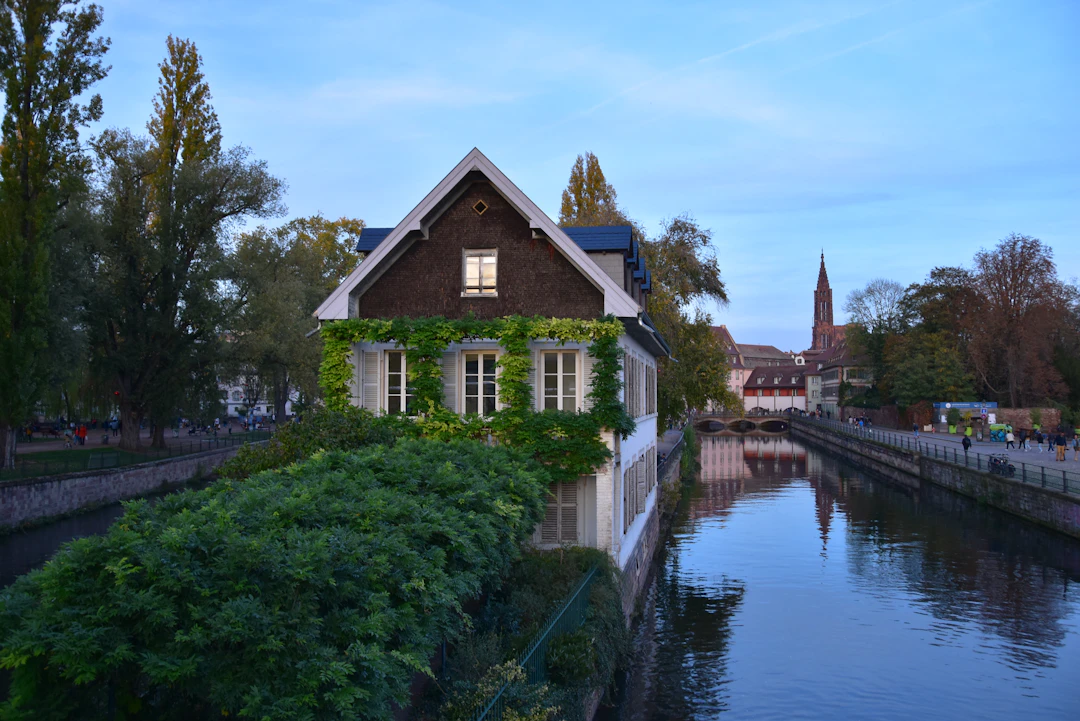
The regional story is as much built as planted: 19th-century chartreuse houses along the Garonne, the stone-quarry cellars of Saint-Émilion carved from the same limestone as the village, the modernist chais of the Margaux appellation rising like ships on the flat estuary land. Several grandes maisons open exterior garden and architecture tours with zero-alcohol tasting alternatives. The visit is about the barrel halls, the oak ageing rooms and the delivery-bay choreography of harvest morning, not the liquid. Ask at any tourist office for the “architecture des chais” walking list. It is the rare city-to-vineyard route that works on foot, by bike and, in Bordeaux itself, by tram.
Market day is harvest day
The Marché des Capucins on a Saturday is a genuine harvest tableau: figs and nectarines, early mushrooms, the first quince of the season, honey, cheese stalls and, of course, canelés warm from the oven. Do the market at 9am before the tourist crowds, eat a €8 market plate, then take the grapes you bought (juice stands sell them by the bag) as walking fuel for the Entre-deux-Mers greenway. The single best autumn-scent memory of the region is not underground. It is the open-air market at 9:30 on a September morning, when the whole summer’s produce arrives at once.
How the September weather treats visitors
September days run 22-28°C with crisp mornings and long golden evenings. The harvest absence is your quiet weather. Expect one warm spell per fortnight pushing 30°C. And an occasional cool misty morning over the Garonne that burns off by 10am. Pack a light layer (the limestone church interiors hold the cold) and walking shoes that dry fast. The river paths can stay damp until late morning. The Miroir d’eau’s best reflection happens in the first dry hour after rain. So a grey start is not a lost morning — it is the rare moment the square photographs like a proper mirror.
Verified Sept 19, 2026 from AFP/Agreste Sept 7 reporting. Volumes are Sept 1 estimates — final figures land in winter.