Luxembourg Quiet Guide 2026: Bock Casemates, Grund Lights, Mullerthal Trails
Trending +470% yet calm midweek: Bock casemates, Pfaffenthal lift, Grund by night, Mullerthal Little Switzerland. 2-day silent plan, prices, transport.
Key takeaways
- Surging +470% in UK autumn searches yet calm Tue-Thu: fortress city built for quiet.
- Bock casemates morning, Pfaffenthal lift, Grund lights at night, Mullerthal day trip.
- All public transport free nationwide — the cheapest capital break in Western Europe.
The most-searched autumn surprise (+470% UK searches) is also the calmest capital in Western Europe. Luxembourg stacks fortress, gorges and villages vertically — you walk down centuries in ten minutes, then ride a glass lift back up. And because the whole national transport network is free, the entire break runs on a budget that feels like a mistake until you check the card statement.
From the field — Elena Marsh: Standard two-day loop below, timed against weekend groups. Food picks alcohol-free: bouneschlupp soup, gromperekichelcher potato cakes, bakeries — hearty, cheap, and perfect after a day of climbing. (Keep it simple: soups, cakes, coffee.)
Day 1: fortress + old town
9:00 — Bock casemates at opening. 23km of tunnels, UNESCO rock, cool air — go first, groups arrive from 10:30. Chemin de la Corniche after (“Europe’s most beautiful balcony”), Arbitration bridge views.
The casemates are the reason Luxembourg exists as a story at all: three centuries of engineering carved into the Bock rock by Spanish, French and Austrian garrisons, each layer expanding the labyrinth until it could shelter 35,000 soldiers. The guided route through the oldest galleries is the sobering core — lantern lighting, damp walls, arrow slits framing the Alzette gorge. The Corniche, once a journalists’ favourite on the walk “most beautiful balcony of Europe”, delivers the postcard view south over Grund’s rooftops.
11:30 — Old town: Grand Ducal palace guard change (small, charming), Notre-Dame cathedral hush, Place d’Armes café terraces. Lunch: bouneschlupp (green bean soup), gromperekichelcher, apple tart.
15:00 — Pfaffenthal lift + Grund. Glass panoramic lift down the cliff, Grund quarter riverside lanes, Neumünster Abbey courtyard concerts calendar, free to wander.
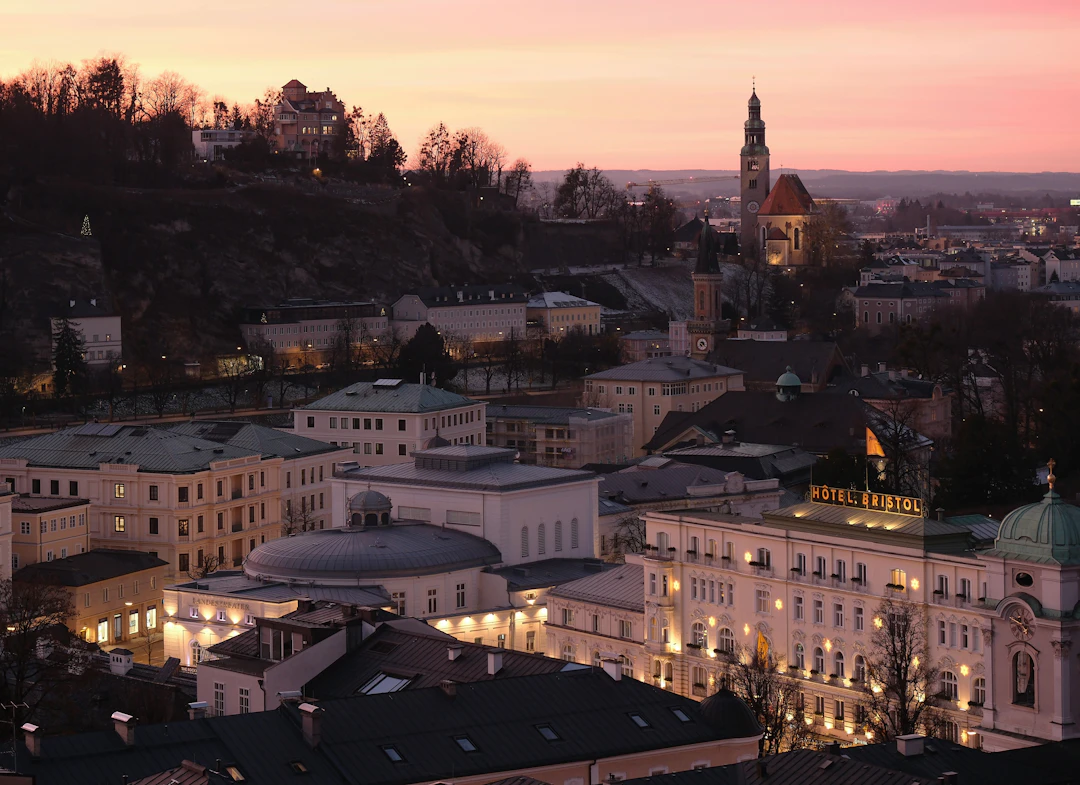
20:30 — Grund by night. Lit casemates walls, Alzette reflections, safe lit paths — our noctourism method applied: see Bilbao at midnight.
discover our aberdeen guide · discover our abisko guide · discover our aitutaki guide
Day 2: Mullerthal, Little Switzerland
30 min by free bus: Berdorf rock labyrinths, Schiessentümpel waterfall bridge, Consdorf trails. Sandstone gorges, moss, silence — 112km of marked trails, pick the 5-8km loops. Picnic bakery, gourde, afternoon return for city dinner.
The Mullerthal is Luxembourg’s sleeper hit precisely because nobody books it. The grey sandstone has been sculpted by wind into mini-Dolomites, and the trails thread between boulders, through mossy chasms and over the famous three-arch waterfall footbridge at Schiessentümpel. Sunset in the ripping light of the golden hour through the valley is worth the afternoon ticket alone.
Practical
Free nationwide transport (bus/tram/train, standard class) — budget shock in reverse: 2 days run €50/day excluding hotel. Sleep: Grund (riverside calm) or Limpertsberg over station noise. Reach: TGV Paris-Est direct ~2h, Brussels ~3h, night walks safe and lit. Data: Expedia autumn trending +470% (UK searches) — book weekends early, weekdays stay quiet.
One honest practical note about the “free” trick: free transport means you should still buy a first-class ticket if you want the quietest train carriage on peak routes, and cross-border regional trains into Trier or Metz require a small paper ticket. But every urban journey in the country — tram, bus, funicular, lift — costs nothing and runs with European punctuality. That combination of free movement and vertical quiet is genuinely rare.
When to go and what it costs
September and October are the quiet-guide months: temperatures still reach 20°C, the valleys hold onto the last green, and the weekend crowds have not yet started their Christmas-market run. Tuesday to Thursday is your quiet window in the city; Fridays see a gentle rise and Saturdays the casemate queues. On price: a double in Grund runs €70-110 midweek, the best value in Western Europe for a capital-city break; food keeps pace with provincial France rather than Paris. If you come in late November, the Christmas markets (Ville Haute) are lovely but not silent — book Grund, not the market square.
The vertical principle, explained
What makes Luxembourg easy for slow travellers is geography: the city is a set of separate plateaus linked by lifts, stairs and funiculars, so the crowds that gather in the Kirchberg business district never spill into the Grund below. You can experience the whole old town at ground level, then ride the skyline lift for the postcard view, all in under an hour, twice a day — morning light on the casemates, blue-hour lights below. It is the one capital where a vertical itinerary (not a long flat walk) is the natural form, and that verticality is also why it stays quiet: there is simply no room for coach columns on the cliff paths.
Three morning walks worth the early start
The Corniche before 9am: the “most beautiful balcony” empty, the Alzette gorge in low light, the rooks over the casemates. Grund river loop at 8am: the quarter wakes slowly, coffee shops opening doors, bakeries warm — the calmest city riverside in the region. The Luxembourg City history museum glass lift sequence: start at the Bock, walk the cliff path, ride the panoramic lift down, cross the Grund, climb back via the St Esprit staircase — a full vertical circuit in 90 minutes that reads like a guided tour without a guide. All three are free, all three are quieter on a Tuesday than on any Saturday.
Eating clean in Luxembourg
The regional table is rich without needing alcohol: bouneschlupp (green bean soup with potatoes) as a meal-sized bowl, gromperekichelcher (potato cakes) fried crisp at any friterie, quetscheflued pastry in season, and the bakeries run two of the best breakfasts per square kilometre in Europe. Picnics are a national delight — bread, soft cheese, river views cost under €8 and beat any sit-down price in the city centre. Water from the fountains in the Grund is fine and free; the general rule is the tap up high, avoid the low river-side standpipes.
A quiet city, finally explained
The final curiosity of Luxembourg is how a banking capital stays so human. The old town is genuinely small — you can cross it in twenty minutes — and the vertical barriers mean the crowds separate themselves. Combine that with the free transport, the safe lit paths at night, and the absence of the usual capital-city crush, and you have the definition of a soft destination: worth travelling for, calm on arrival, and kind to a slow itinerary. That is precisely why we moved it to the top of our autumn list at a moment when the rest of Europe is getting noisier.
Verified Sept 19, 2026. Casemate hours shrink in winter — check boards.