World Cup 2026 Host Cities: Ranked for Walkability & Cost
We rank the 16 World Cup 2026 host cities on walkability, cost, and culture beyond the stadium. Find the best city for your contemplative slow-travel fan…
World Cup 2026 Host Cities: Ranked for Walkability, Cost & the Quiet Moments In-Between
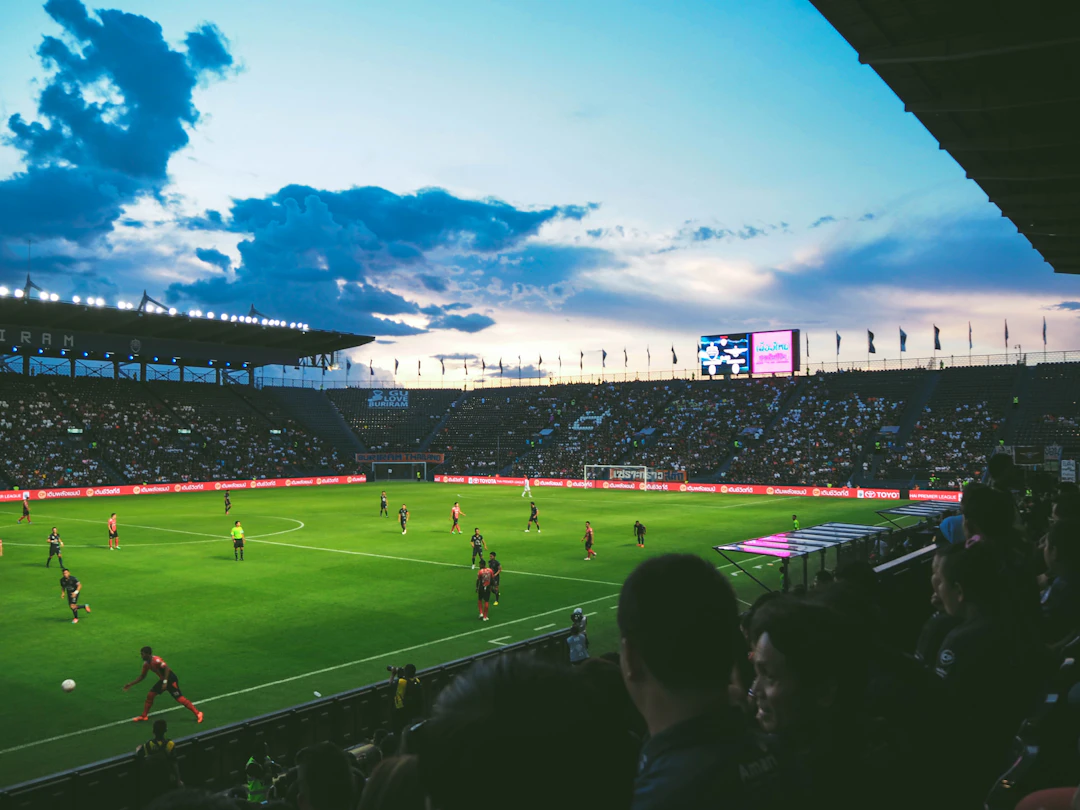
The roar of the crowd, the sea of team colors, the pure adrenaline of a last-minute goal—these are the heartbeats of a World Cup. But what about the moments in between? For the traveler who seeks not just the spectacle but the soul of a place, the 2026 tournament across North America presents a unique challenge and opportunity. Instead of rushing from fan zone to stadium, what if you could walk, reflect, and genuinely connect with the city that’s hosting the beautiful game? We’ve ranked all 16 host cities not on their footballing history, but on their suitability for a slower, more contemplative fan experience.
In brief
- Top-Tier Cities for Slow Travel: Mexico City, Philadelphia, and Vancouver lead our rankings, offering a superb blend of walkability, cultural depth, and value.
- Cost is a Major Factor: Our estimated costs for a seven-day stay range from an accessible ~$1,400 in Guadalajara to a steep ~$3,800 in New York/New Jersey, dramatically shaping your experience.
- Stadium Location Matters: Cities with downtown, transit-accessible stadiums (like Atlanta, Toronto, Vancouver) score much higher than those with remote, car-dependent venues (Dallas, Kansas City, Boston).
- Walkability is Freedom: High walkability scores in cities like Boston, Philadelphia, and Seattle mean you can discover hidden gems on foot, freeing you from reliance on cars and rideshares.
- Mexico Offers Unbeatable Value: The three Mexican host cities—Mexico City, Guadalajara, and Monterrey—provide immense cultural richness at a fraction of the cost of their US and Canadian counterparts.
- Don’t Judge a City by its Stadium: Some top-tier cultural destinations like New York and the Bay Area are penalized in our rankings due to the logistical nightmare of reaching their suburban stadiums.

The 2026 Host Cities: Ranked for the Thoughtful Fan
We analyzed each city across five key metrics tailored for the slow traveler: downtown walkability, projected cost, public transit access to the stadium, off-pitch cultural experiences, and suitability for quiet, contemplative walks. A higher rank means a better balance for a mindful journey.
| Rank | City | Walkability (100) | Est. 7-Day Cost (USD) | Stadium Transit (5) | Cultural Depth (5) | Silent Walks Fit (5) |
|---|---|---|---|---|---|---|
| 1 | Mexico City | 90 | $1,500 | 4 | 5 | 4 |
| 2 | Philadelphia | 95 | $2,700 | 4 | 5 | 4 |
| 3 | Vancouver | 90 | $2,900 | 5 | 4 | 5 |
| 4 | Toronto | 88 | $2,800 | 5 | 4 | 4 |
| 5 | Seattle | 92 | $3,100 | 4 | 4 | 5 |
| 6 | Guadalajara | 80 | $1,400 | 3 | 4 | 3 |
| 7 | Atlanta | 70 | $2,700 | 5 | 3 | 3 |
| 8 | Boston | 98 | $3,300 | 2 | 5 | 4 |
| 9 | Monterrey | 75 | $1,600 | 2 | 3 | 3 |
| 10 | Miami | 78 | $3,200 | 2 | 3 | 4 |
| 11 | San Francisco Bay Area | 95 | $3,600 | 3 | 5 | 5 |
| 12 | Houston | 48 | $2,600 | 3 | 3 | 2 |
| 13 | Los Angeles | 65 | $3,400 | 3 | 4 | 2 |
| 14 | New York / New Jersey | 99 | $3,800 | 1 | 5 | 3 |
| 15 | Kansas City | 40 | $2,500 | 1 | 3 | 3 |
| 16 | Dallas | 45 | $2,800 | 1 | 2 | 2 |
A note on our metrics: Walkability reflects the ease of navigating the core city center on foot. Cost is a mid-range estimate for a 7-day stay, per person, during the tournament. Stadium Transit rates the ease of reaching the stadium via public transport from downtown. Cultural Depth and Silent Walks Fit are qualitative scores based on the richness of local heritage and the availability of peaceful spaces.
A Deeper Dive: The City Tiers
Not all host cities are created equal for the walking-first traveler. Here’s a breakdown of why each city landed where it did in our rankings.
The Champions Tier: Best for Slow Travel
These cities offer a world-class experience both inside and outside the stadium, balancing vibrant atmospheres with opportunities for quiet reflection.
-
Mexico City, Mexico: Our undisputed champion. CDMX is a slow traveler’s dream. For an astonishingly low cost, you get a deeply walkable metropolis teeming with history. Imagine a morning walk through the quiet, shaded streets of Condesa, an afternoon exploring the vast Museo Nacional de Antropología, and an evening of street-side tacos before heading to a match at the legendary Estadio Azteca. While metro can be crowded, its reach is undeniable, making the city and stadium accessible without a car.
-
Philadelphia, USA: The most walkable and historic city in the US, Philly is a deserving silver medalist. You can trace the nation’s history on foot from the Liberty Bell to Elfreth’s Alley, then find quiet solace along the Schuylkill River Trail. Lincoln Financial Field is conveniently located at the end of the Broad Street Line subway, a straight shot from Center City. It combines big-city energy with a neighborhood feel and a rich cultural fabric that few American cities can match.
-
Vancouver, Canada: If nature is your cathedral, Vancouver is your pilgrimage site. Nestled between mountains and the ocean, it’s a city that breathes. A perfect day involves a pre-dawn silent walk around the Stanley Park Seawall (all 5.5 miles of it), followed by exploring Granville Island Market. BC Place is perfectly integrated into the downtown core, easily reachable on foot or by SkyTrain from most central hotels. It’s pricey, but the access to unparalleled natural beauty is worth every penny.
The Strong Midfield: Excellent All-Rounders
These cities provide a fantastic, well-rounded experience, though they may have one or two minor trade-offs compared to the top tier.
-
Toronto, Canada: A marvel of multiculturalism with a clean, efficient core. BMO Field is beautifully situated in Exhibition Place, easily accessible via the GO Train or streetcar. The city offers diverse neighborhoods to explore on foot, from the hip boutiques of Queen Street West to the vibrant chaos of Kensington Market. A walk along the Harbourfront provides a break from the urban energy, offering views of Lake Ontario and the Toronto Islands.
-
Seattle, USA: Much like its Pacific Northwest neighbor Vancouver, Seattle excels in blending urban life with stunning nature. Its high walkability score applies to a dense downtown packed with attractions like Pike Place Market. Lumen Field is a manageable walk from the city center, a huge plus. For a silent walk, the trails at Discovery Park or a ferry ride across Puget Sound offer majestic, contemplative quiet. It’s expensive, but the unique atmosphere is undeniable.
-
Guadalajara, Mexico: The cultural heart of Jalisco and the best value on our entire list. The Centro Histórico is a walker’s paradise, with sprawling plazas, stunning cathedrals, and lively mariachi squares. Estadio Akron is a bit outside the core, requiring a bus or dedicated shuttle, but the incredible affordability and deep cultural well of tequila tasting, art, and music make it a phenomenal choice for the budget-conscious slow traveler.
-
Atlanta, USA: Atlanta’s ranking is single-handedly boosted by its stadium logistics. The Mercedes-Benz Stadium is one of the best-integrated venues in the US, with direct access via the MARTA rail system. While the city as a whole is more car-dependent (hence the lower walkability score), there are wonderful pockets for exploration like Piedmont Park and the BeltLine’s Eastside Trail, a fantastic urban redevelopment project perfect for a long walk.
The Underdogs: Great Cities with Logistical Hurdles
This group includes some of the world’s most iconic destinations, but their World Cup experience is hampered by poor stadium logistics, high costs, or a car-centric layout that challenges the slow-travel ethos.
-
Boston, USA: Boston would be a top-three contender if the stadium were in Boston. The city itself is a 98/100 for walking—a dream of historic streets, parks, and waterfront. But Gillette Stadium is in Foxborough, a 30-mile trek south that is notoriously difficult to access without a car, save for a limited gameday train. It’s a tragic mismatch of a perfect host city and an imperfect venue location.
-
San Francisco Bay Area, USA: Similar to Boston, the Bay Area’s low ranking is a story of stadium location. San Francisco is an incredible city for walking, from the Golden Gate Bridge to the hills of Noe Valley. But Levi’s Stadium is 40 miles south in Santa Clara. While Caltrain service exists, it’s a significant journey. The high cost and logistical disconnect prevent it from ranking higher despite its world-class cultural offerings and natural beauty.
-
New York / New Jersey, USA: The city that has everything… except an easy way to get to the World Cup Final. MetLife Stadium, located in the swamps of New Jersey, is a logistical headache from New York City. Expect packed, infrequent special-service trains or exorbitant rideshare fees. While Manhattan offers endless culture and some surprisingly quiet walks (Central Park’s Ramble, Fort Tryon Park), the staggering cost and transit woes sink its ranking for the practical traveler.
-
Dallas, USA: At the bottom of our list, Dallas represents the ultimate challenge for the slow traveler. Its low walkability score reflects a sprawling, highway-dominated landscape. AT&T Stadium is an architectural marvel isolated in Arlington, miles from downtown Dallas, with virtually no public transit options. To enjoy the World Cup here, you must embrace the car culture, a tough pill to swallow for those who prefer to travel on foot.

A Slower Way to Experience the World Cup
Choosing your host city is the most important decision you’ll make for the 2026 World Cup. It’s more than just a place to sleep between matches; it’s the canvas for your entire experience. By prioritizing walkability, mindful transit, and a connection to place, you can transform your trip from a frantic sporting tour into a meaningful journey.
Swap a crowded pre-game pub for a quiet walk through a historic neighborhood. Replace a 45-minute Uber ride in traffic with a contemplative stroll through a city park on your way to the metro. The World Cup is a celebration of the world coming together. By slowing down, you can ensure you actually see, hear, and feel the part of the world you’ve chosen to visit.
Internal Links — Continue Your Journey
- Plan your trip with our guide: Navigating North America: A Slow Traveler’s Guide to World Cup 2026
- Explore our city guide for our top-ranked pick: A Silent Walk Through Mexico City
- Discover the value of contemplative travel: The Philosophy of a Silent Walk
- Prepare for a US-based match: What to Expect in Philadelphia: More Than History
- See how Vancouver blends city and nature: Walking Vancouver’s Seawall
- Find peace in the busiest cities: Urban Oases: Finding Quiet in a Loud World
References
- FIFA: Official FIFA World Cup 2026 Host Cities
- Walk Score: How Walk Score Works
- MARTA (Atlanta Transit): MARTA Rail Map and Stations
Frequently Asked Questions
Which World Cup 2026 host city is the most walkable? Based on central city scores, Boston (98), Philadelphia (95), and the San Francisco city core (95) are the most walkable US cities. However, our ranking considers the full experience, where Mexico City and Vancouver also offer superb, expansive walkable neighborhoods.
What is the cheapest city to visit for the World Cup 2026? The Mexican host cities will be by far the most affordable. We project Guadalajara to be the cheapest, followed closely by Monterrey and Mexico City, offering significant savings on accommodation, food, and activities compared to US and Canadian hosts.
Why is New York/New Jersey ranked so low? Despite New York City’s immense cultural appeal, its ranking suffers from two major practical issues: the highest projected costs of any host and the poor public transit access to MetLife Stadium in New Jersey, which will host the final. It’s an expensive and time-consuming journey from the city’s main accommodation centers.
I have tickets for Dallas or Kansas City. What’s the best way to manage a car-dependent city? For car-centric cities like Dallas and Kansas City, it’s best to rent a car and accept it as part of the experience. Plan your lodging strategically to minimize driving times to the stadium on game days and budget for parking. Seek out walkable pockets within the city for your downtime, like Kansas City’s River Market or Dallas’s Klyde Warren Park.
Is it possible to have a ‘slow travel’ experience at a massive event like the World Cup? Absolutely. It’s about mindset and planning. Choose a walkable home base, schedule “off” days with no agenda other than to wander, and use public transit to observe daily life. A slow-travel approach means you focus on the quality of your experiences between the marquee matches, leading to a richer, less stressful trip.
Travel essentials for match day
New products coming soon.